
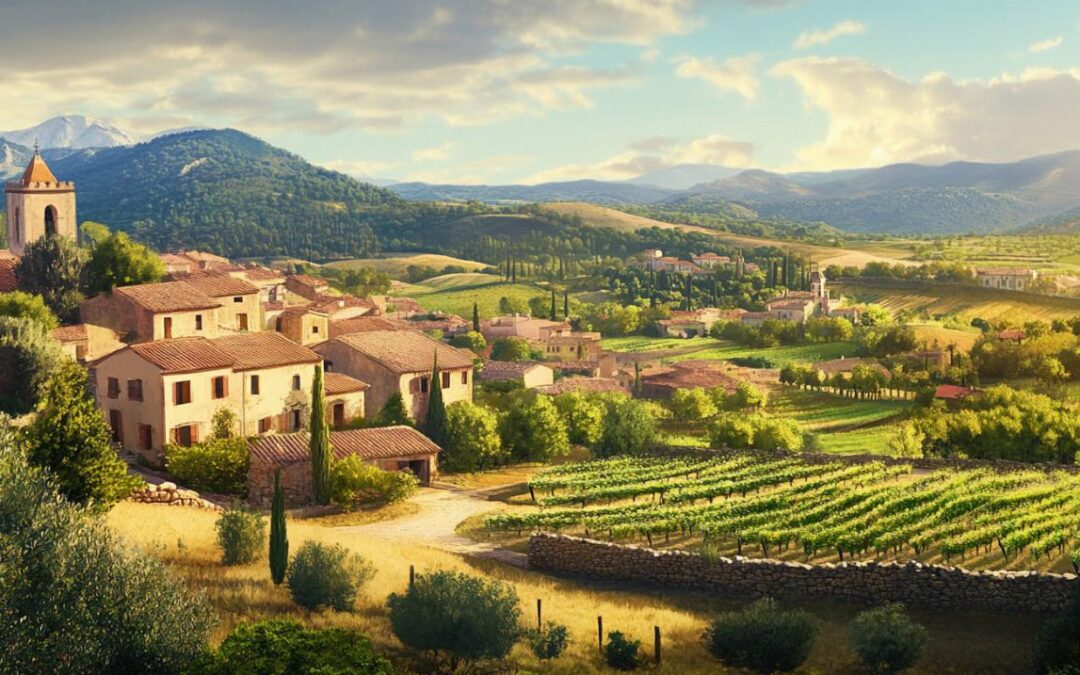
Venturing beyond the bustling cities and sun-drenched coasts of Spain reveals a tapestry of rustic charm and unspoilt beauty that few tourists ever experience. The heart of rural Spain offers a wealth of enchanting landscapes, ancient settlements, and authentic cultural encounters that transport visitors to another era. For those seeking a deeper connection with the Iberian Peninsula, these hidden corners promise unforgettable memories and a refreshing escape from the well-trodden tourist trails.
Hidden gems in spain's countryside villages
Scattered across the Spanish interior lie countless villages and towns that seem untouched by the relentless march of modernity. These settlements, often perched on hillsides or nestled in verdant valleys, showcase the architectural and cultural heritage that has defined rural Spain for centuries. Exploring these remarkable destinations offers a rare glimpse into a way of life that has endured through generations, where tradition and community remain at the core of daily existence.
Medieval towns that time forgot
Among the most captivating treasures of the Spanish countryside are the medieval towns that have preserved their historic character with remarkable fidelity. Cuenca stands as a prime example, with its historic walled town perched dramatically above gorges carved by the Júcar and Huécar rivers. This UNESCO World Heritage site boasts hanging houses that cling precariously to cliffsides, creating a silhouette that has captivated visitors for generations. The narrow cobbled streets wind through a labyrinth of ancient stone buildings, each corner revealing architectural details that speak to centuries of history. Similarly, Ávila presents one of the finest examples of medieval fortification in Europe, with its perfectly preserved city walls encircling a compact historic centre filled with Romanesque churches and noble palaces. The battlements and towers of Ávila create an imposing skyline that transports visitors back to the age of knights and pilgrims. These medieval towns offer amazing places to visit for those who appreciate authentic historical settings, where every stone seems to whisper tales of bygone eras.
Charming hamlets off the beaten track
Beyond the more renowned historic towns, rural Spain conceals countless smaller hamlets that remain largely unknown to international travellers. The regions of Castilla La Mancha, Extremadura, and Aragón harbour numerous such settlements, where whitewashed houses cluster around ancient churches and life follows rhythms established long before the modern era. In Galicia, stone granaries and traditional architecture dot the landscape, whilst in Asturias and Cantabria, mountain villages preserve customs and dialects unique to their isolated valleys. The region of Castilla y León, with its vast plains and rolling hills, contains numerous towns where medieval plazas serve as focal points for community life, much as they have for hundreds of years. These hamlets offer an authentic insight into rural Spanish culture, where visitors can experience traditional festivals, sample regional cuisine prepared according to age-old recipes, and engage with locals who maintain deep connections to their ancestral lands. The unhurried pace and genuine warmth of these communities provide a stark contrast to the frenetic energy of urban centres, making them ideal destinations for those seeking tranquillity and cultural immersion.
Natural wonders in spain's rural heartland
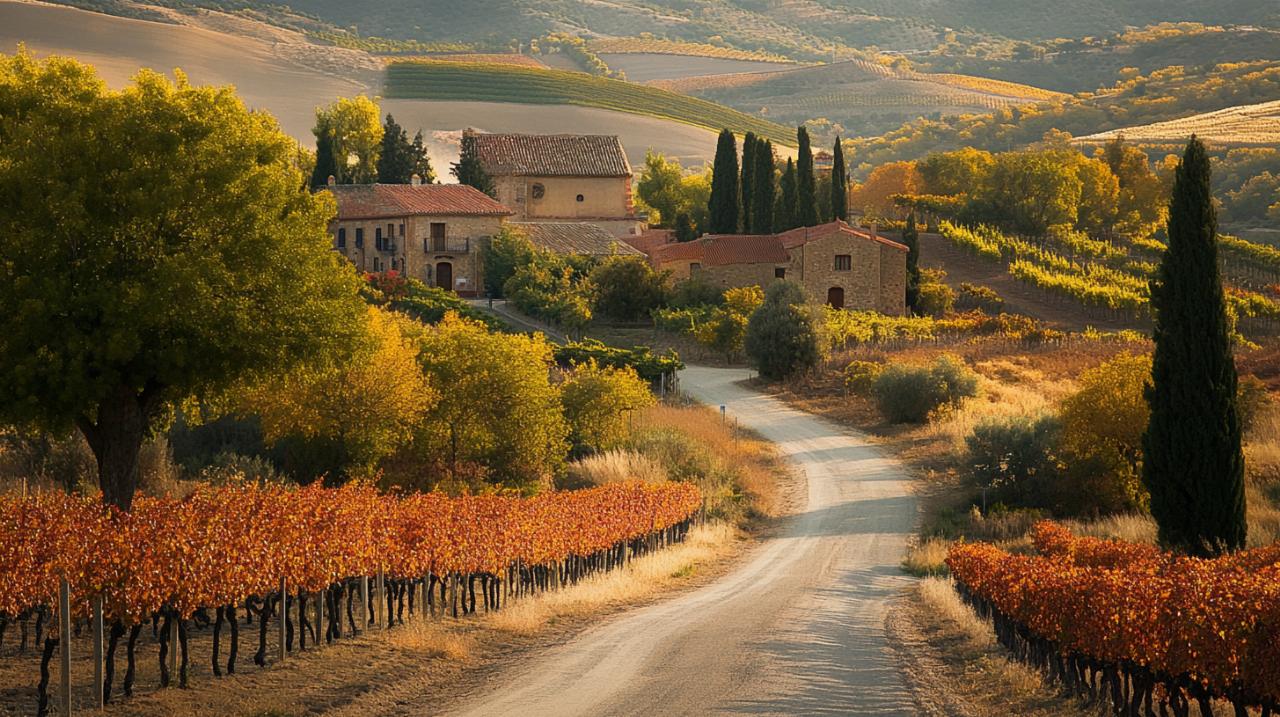
Spain's status as the second most mountainous country in Europe ensures that its rural heartland offers spectacular natural scenery to complement its historic villages. From rugged peaks to serene waterways, the landscapes of inland Spain provide endless opportunities for outdoor enthusiasts and nature lovers. These wild spaces remain relatively undiscovered compared to coastal regions, offering solitude and pristine environments that are increasingly rare in modern Europe.
Breathtaking mountain ranges and walking routes
The Sierra de Guadarrama National Park, located just north of Madrid, presents a magnificent example of Spain's mountainous terrain. This protected area encompasses granite peaks, pine forests, and alpine meadows that transform dramatically with the seasons. Walking routes traverse diverse ecosystems, from lowland oak forests to high-altitude lakes surrounded by rocky summits. The park serves as a vital refuge for wildlife and offers trails suitable for both casual ramblers and experienced mountaineers. Further north, the peaks of Asturias and Cantabria rise dramatically from the coastal plains, creating a landscape of extraordinary contrasts. The famous Camino de Santiago pilgrimage route crosses multiple mountain ranges as it traverses northern Spain, offering walkers a spiritual journey through some of the country's most stunning terrain. Whether following ancient pilgrim paths or exploring lesser-known tracks, hikers in rural Spain discover landscapes that combine raw natural beauty with profound historical significance. The diverse topography ensures that each region offers distinct character, from the arid sierras of Aragón to the verdant highlands of Galicia, providing endless variety for those who venture into these remarkable mountain environments.
Stunning lakes and river valleys worth exploring
Whilst Spain may be better known for its mountains and coasts, its rural interior also boasts impressive wetlands, lakes, and river systems that sustain rich ecosystems and offer tranquil settings for exploration. Doñana National Park, though closer to the coast, represents one of Europe's most important wetland areas, where vast marshes and seasonally flooded plains provide critical habitat for countless bird species. The park's diverse landscapes include Mediterranean forests, coastal dunes, and freshwater lagoons, creating a mosaic of environments that change dramatically throughout the year. In the interior regions, numerous reservoirs and natural lakes dot the landscape, often surrounded by unspoilt countryside and offering opportunities for boating, fishing, and wildlife observation. River valleys such as those carved by the Tajo, Duero, and Ebro create green corridors through otherwise arid terrain, supporting riparian forests and providing natural pathways for exploring the countryside. These waterways have shaped human settlement patterns for millennia, with ancient bridges, mills, and riverside villages testifying to their enduring importance. The interplay of water and land creates microclimates that support unique flora and fauna, making these valleys particularly rewarding for naturalists and photographers. From the dramatic gorges of Cuenca to the gentle meanders of Galician rivers, Spain's waterways add another dimension to the natural wonders awaiting discovery in the rural heartland.
Exploring the heart of rural Spain offers rewards that extend far beyond conventional tourist experiences. The combination of historic villages frozen in time and natural landscapes of extraordinary beauty creates a destination that appeals to travellers seeking authenticity, tranquillity, and genuine cultural engagement. Whether walking ancient pilgrim routes, discovering medieval towns perched on dramatic cliffs, or simply enjoying the unhurried pace of village life, visitors to rural Spain find themselves immersed in environments that refresh both body and spirit. These regions remain accessible yet unspoilt, offering a quality of experience that becomes increasingly precious in our crowded and commercialised world.