
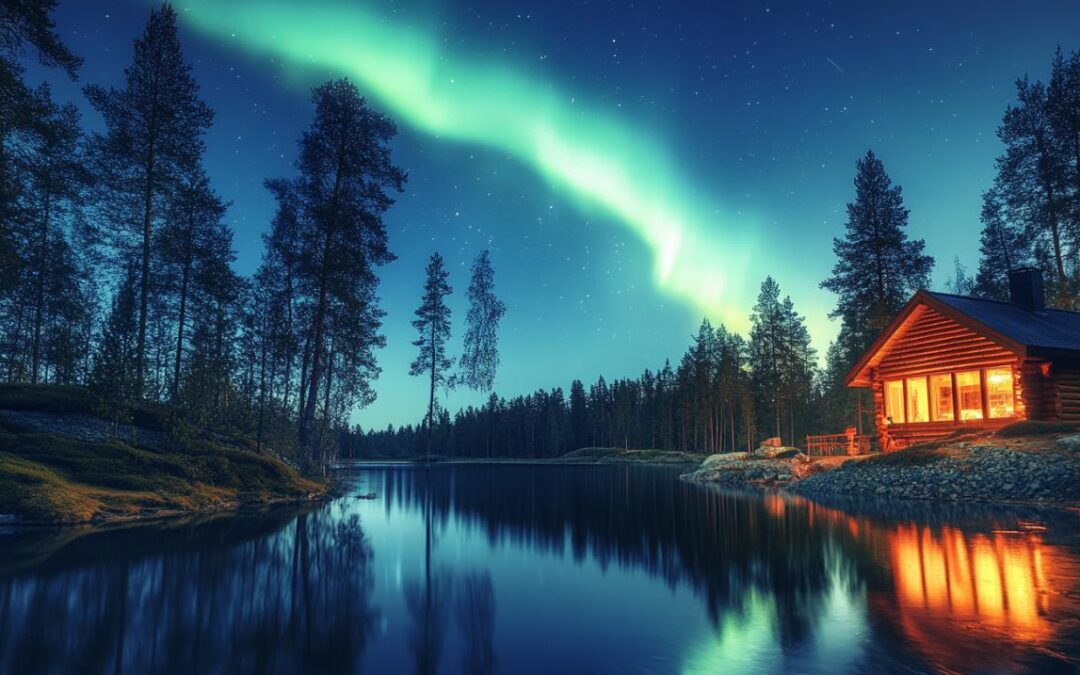
Finland's winter wonderland offers one of nature's most breathtaking displays, and for those dreaming of witnessing the shimmering curtains of the Aurora Borealis dancing across the Arctic sky, choosing the right moment to visit is essential. The combination of pristine wilderness, minimal light pollution, and favourable atmospheric conditions makes Finnish Lapland a premier destination for aurora hunters from across the globe.
Prime viewing season: december through march for aurora borealis
The winter months represent the peak period for experiencing the Northern Lights in Finnish Lapland, with December through to March offering the most consistent opportunities. This extended season provides visitors with the ideal balance of long, dark nights and favourable weather conditions that are crucial for aurora viewing. During these months, the Arctic region is plunged into prolonged darkness, creating the perfect canvas for the lights to reveal their spectacular colours against the night sky.
Peak Winter Months: Why January and February Offer the Best Displays
Among the winter months, January and February stand out as particularly rewarding times for aurora enthusiasts. The combination of clear, dry cold and stable atmospheric conditions during this period means that when the Northern Lights do appear, they often put on their most impressive performances. The crisp Arctic air during these months creates exceptional visibility, allowing the aurora's vibrant greens and occasional rare reds to shine with remarkable intensity. February especially enjoys a reputation for delivering crystal-clear skies, with the dry cold ensuring minimal cloud cover that might otherwise obscure the celestial show. The temperatures during this period typically range between minus five and minus twenty degrees Celsius, and whilst these conditions demand proper preparation, they also create the optimal atmospheric clarity that aurora hunters seek.
Understanding arctic weather patterns and clear night skies
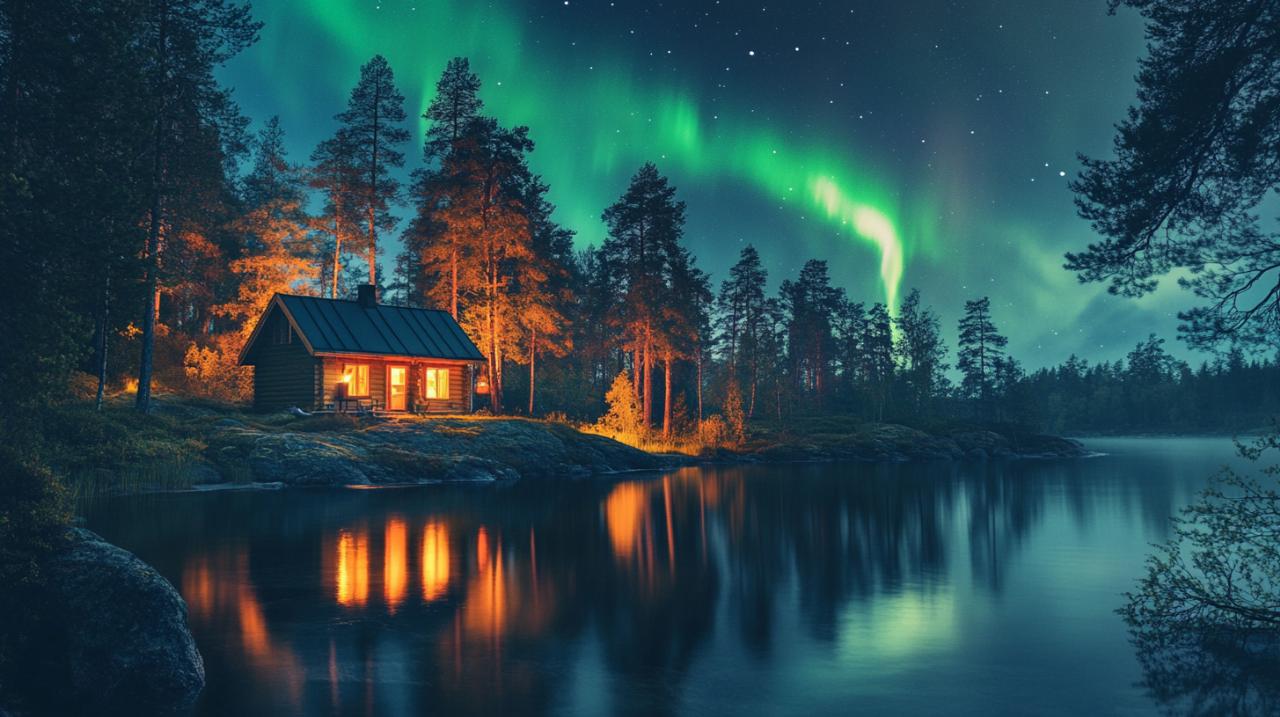
The relationship between weather patterns and successful aurora viewing cannot be overstated. Clear skies are absolutely essential, as even the most active solar storms will remain hidden behind thick cloud cover. The Finnish Meteorological Institute maintains detailed space weather forecasts, providing valuable information about solar activity that drives the Northern Lights. Solar maximum periods, such as the one predicted for 2025 to 2026, typically bring enhanced aurora activity, increasing the frequency and intensity of displays. The autumn months from late August through October and the spring period from March to early April also present excellent viewing opportunities, with the Earth's orientation to the sun during these transitional seasons creating particularly active conditions. During autumn, the added bonus of lake reflections can double the visual impact of the aurora, whilst spring offers less extreme temperatures whilst maintaining the clear skies necessary for successful viewing. Darkness remains the fundamental requirement, which is why the period when the Northern Lights are visible stretches from late August through to April, corresponding with the months when Lapland's night skies are sufficiently dark.
Planning Your Northern Lights Adventure: What to Expect in Finnish Lapland
Finnish Lapland occupies the northern third of Finland, a vast wilderness where approximately two hundred thousand reindeer outnumber the human population of around one hundred and eighty thousand. This remote Arctic region offers visitors not merely the chance to witness the Aurora Borealis but also an authentic immersion into traditional Sámi culture and pristine winter landscapes. The region's isolation from major urban centres means that light pollution is virtually non-existent, dramatically increasing the chances of spotting the lights on any given clear night. In Northern Finland, the aurora appears on roughly two hundred nights per year, meaning that on every other clear evening, patient observers stand a reasonable chance of witnessing the phenomenon.
Essential Winter Gear and Clothing for Sub-Zero Temperatures
Preparing adequately for the Arctic conditions is absolutely critical to enjoying your Northern Lights adventure. The sub-zero temperatures that characterise the winter season in Lapland demand serious attention to clothing and equipment. Layering is the fundamental principle, with thermal base layers, insulating mid-layers, and windproof, waterproof outer shells forming the foundation of a proper Arctic wardrobe. Quality winter boots rated for extreme cold, insulated gloves or mittens, and a warm hat that covers the ears are non-negotiable items. Many visitors underestimate the intensity of Arctic cold, particularly during the long hours spent outdoors waiting for the aurora to appear. Hand and foot warmers can provide additional comfort during extended viewing sessions, whilst a thermos filled with hot beverages helps maintain body temperature and spirits when the wait stretches on. Remember that patience is often required when aurora hunting, and being uncomfortably cold can quickly transform an anticipated adventure into an ordeal.
Combining aurora hunting with traditional lapland winter activities
The winter season in Lapland offers far more than just Northern Lights viewing. December through March is the optimal period for snow-based activities, with the landscape transformed into a winter sports paradise. Visitors can experience husky sledding across frozen lakes, reindeer sleigh rides through snow-laden forests, and cross-country skiing along pristine trails. Many tour operators offer comprehensive packages that combine aurora hunting with these traditional activities, allowing visitors to make the most of their Arctic adventure. December holds particular appeal for families, especially those seeking a magical Christmas experience in the Arctic, though this popularity does make it the most expensive time to visit. The Midnight Sun phenomenon, visible from late May to July, offers a completely different but equally remarkable natural spectacle, whilst wildlife watching for bears and other species is best undertaken from May through August. The Finnish word for the Northern Lights, 'revontulet', translates to fox fires, drawing from ancient folklore that attributed the aurora to sparks thrown up by a magical fox's tail sweeping across the snow.
Maximising Your Chances: Location and Timing Strategies in Finland
Whilst the Northern Lights are visible across much of Finland during active periods, strategic planning regarding location and timing can significantly enhance your chances of experiencing a memorable display. Understanding the interplay between geographical position, local weather conditions, and solar activity transforms aurora hunting from a matter of pure luck into a more calculated pursuit with considerably better odds of success.
Best Regions in Lapland for Northern Lights Viewing
Finnish Lapland's northern location places it firmly within the auroral zone, making the entire region suitable for Northern Lights viewing. Rovaniemi, known as the gateway to Lapland, serves as an excellent base for aurora expeditions, offering good infrastructure and accessibility whilst remaining far enough north for regular displays. The key advantage of this area lies in the ability to quickly travel away from any urban light sources to darker viewing locations. Specialist tour operators based in Rovaniemi organise nightly expeditions that transport visitors to carefully selected sites away from city lights, with locations chosen based on real-time weather data and aurora forecasts. The reflective properties of Lapland's numerous lakes during autumn months create particularly striking viewing opportunities, effectively doubling the visual impact when the aurora dances overhead and its mirror image shimmers on the water surface below. Remote wilderness areas throughout Lapland offer the darkest skies and consequently the most dramatic displays, though accessing these locations typically requires professional guidance and appropriate equipment.
Monitoring Aurora Forecasts and Choosing the Right Nights
Success in aurora hunting depends heavily on timing, and modern technology has made it considerably easier to maximise your chances. The Finnish Meteorological Institute provides detailed space weather forecasts that predict likely aurora activity based on solar wind data and geomagnetic conditions. These forecasts typically offer several hours of advance warning, allowing hunters to plan their evening accordingly. The most productive viewing hours generally fall between ten in the evening and two in the morning, when geomagnetic activity tends to peak. Professional tour operators often provide personalised daily weather reports to their clients, analysing both local conditions and solar activity to determine the most promising nights for aurora hunting. Some services have achieved success rates as high as ninety-seven per cent during peak season, testament to the effectiveness of combining scientific forecasting with local expertise and flexibility. Multiple-night packages, such as aurora passes that allow visitors to join tours across several evenings, dramatically increase the overall probability of witnessing the lights. Given that the aurora appears on roughly every other clear night during the active season, committing to three or four viewing attempts provides excellent odds of success. The patience required is often rewarded beyond expectation, as those who persist frequently find themselves beneath some of nature's most extraordinary displays, watching in wonder as ethereal curtains of green and occasionally red light ripple and dance across the Arctic heavens.