

When planning a hotel stay, understanding the various meal plans available can significantly enhance your overall experience whilst ensuring you get the best value for money. Among the most commonly offered options, half board continues to hold its place as a favoured choice for countless travellers across the globe, striking a balance between convenience and the freedom to explore the culinary landscape beyond the hotel premises.
What exactly is half board and how does it work?
The Definition and Core Components of Half Board Accommodation
Half board is a hospitality term that refers to a type of accommodation package where guests receive their room along with two meals each day. This arrangement is designed to provide a middle ground between the simplicity of a room-only booking and the comprehensive coverage of full board or all-inclusive packages. Essentially, it combines the comfort of knowing that a substantial portion of your daily sustenance is taken care of, whilst still offering the liberty to venture out and sample the local food scene during part of the day. The concept has been a staple in the hotel industry for many years, and it remains particularly popular in resorts, coastal getaways, and destinations where guests often prefer a mix of structured dining and spontaneous culinary exploration.
Hotels offering half board typically guarantee that guests will have access to a hearty breakfast to start the day, alongside one additional main meal served within the hotel's restaurant facilities. This dual-meal approach ensures that travellers are well-fed and energised without being tied to the hotel for every dining occasion. The flexibility inherent in this package makes it an attractive proposition for those who wish to balance convenience with the desire to discover new flavours and dining venues in the surrounding area. Over the past three decades, hotels with thousands of happy customers have refined their half board offerings, ensuring that the quality and variety of meals provided meet the expectations of modern guests.
Breaking down what's included: breakfast and evening meal arrangements
In most cases, half board includes a comprehensive breakfast service, which can range from a traditional cooked English breakfast to a continental buffet featuring pastries, fresh fruit, cereals, and hot beverages. This first meal of the day is designed to cater to a wide array of tastes and dietary preferences, setting guests up for a productive and enjoyable day ahead. The second meal included in a half board package is almost always dinner, served in the hotel's restaurant during the evening. This main meal typically offers a multi-course experience, with a selection of starters, main courses, and desserts that showcase both local and international cuisine.
Lunch is not provided under the standard half board arrangement, which is a deliberate feature that allows guests the freedom to explore nearby eateries, cafes, and food markets. This absence of a midday meal within the package encourages travellers to immerse themselves in the local culture and discover hidden culinary gems that they might otherwise miss. By opting for half board, guests can enjoy the security of knowing that two substantial meals are guaranteed each day, whilst retaining the flexibility to choose where and what they eat for lunch. This balance is particularly appealing for those who appreciate the convenience of hotel dining but also wish to experience the authenticity of regional food and drink.
Half Board vs Full Board and Other Meal Plans: Making the Right Choice
Comparing Half Board with Bed and Breakfast Options
When evaluating different meal plans, it is essential to understand how half board compares to other popular options such as bed and breakfast. A bed and breakfast package, as the name suggests, includes accommodation and a morning meal only, leaving guests to make their own arrangements for lunch and dinner. This option is often favoured by those who prefer maximum flexibility and enjoy exploring a variety of dining venues throughout their stay. However, for travellers who appreciate having at least one additional meal provided, half board offers a notable step up in convenience and value.
Choosing half board over bed and breakfast can lead to significant cost savings, particularly in destinations where restaurant prices are high or where dining options are limited. By having dinner included in the package, guests can avoid the uncertainty of searching for suitable restaurants each evening and can instead relax in the knowledge that a quality meal awaits them at the hotel. This arrangement is especially beneficial for families and groups, who may find it more economical and less stressful to have a guaranteed evening meal rather than coordinating multiple dining plans. In many cases, selecting half board can save guests around thirty to forty per cent on their overall food expenses, making it an attractive proposition for budget-conscious travellers.
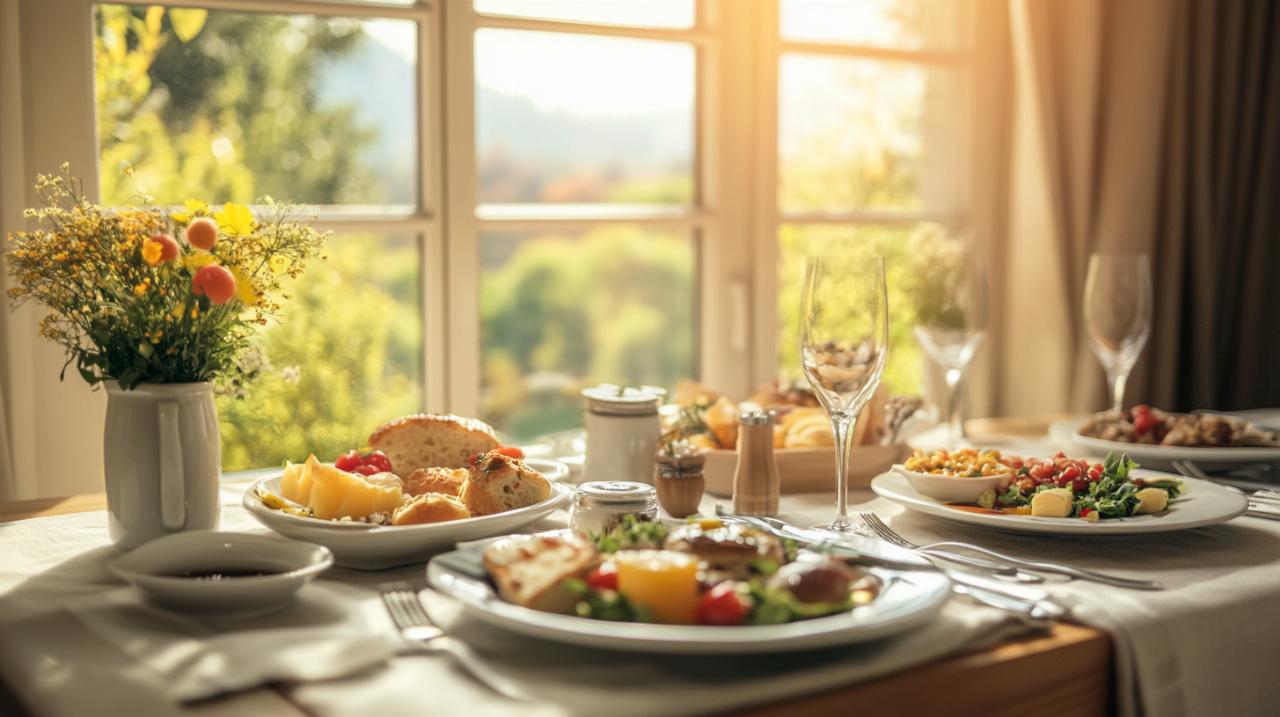
When full board or all-inclusive might suit your travel style better
While half board strikes a balance between convenience and flexibility, there are circumstances where full board or all-inclusive packages may be more suitable. Full board includes all three main meals of the day, encompassing breakfast, lunch, and dinner, all served within the hotel's restaurant facilities. This comprehensive approach is ideal for those who prefer to remain on-site for the majority of their stay, whether due to limited mobility, a desire for simplicity, or the appeal of having every meal catered for without additional planning.
All-inclusive packages extend the coverage even further, incorporating not only all meals but also a wide range of drinks, snacks, and sometimes additional activities and entertainment. This type of arrangement is particularly popular in resort destinations, where guests can enjoy unlimited access to food and beverages throughout the day and night. For some travellers, the predictability and lack of hidden costs associated with all-inclusive packages provide peace of mind, especially when travelling with children or in groups. However, those who relish the opportunity to explore local cuisine and dining culture may find that half board offers a more engaging and authentic experience, as it encourages interaction with the surrounding community and supports local businesses.
Why Half Board Remains a Popular Choice for Modern Travellers
The flexibility advantage: exploring local dining at lunchtime
One of the most compelling reasons why half board continues to be a favoured option is the flexibility it affords guests, particularly at lunchtime. By leaving the midday meal unaccounted for within the package, travellers are free to seek out authentic eateries, street food vendors, and local markets that showcase the true flavour of the destination. This freedom to explore is invaluable for those who view dining as an integral part of the travel experience, offering opportunities to engage with local culture, sample traditional dishes, and discover culinary trends that may not be represented in hotel menus.
The ability to choose where and what to eat for lunch also means that guests can tailor their dining experiences to their daily itineraries. Whether embarking on a day of sightseeing, attending events, or simply relaxing by the beach, the absence of a fixed lunchtime commitment allows for spontaneity and adaptability. This flexibility is particularly appreciated by modern travellers, who increasingly value personalised experiences and the freedom to shape their own journeys. By opting for half board, guests can enjoy the best of both worlds: the reassurance of a well-prepared breakfast and dinner at the hotel, combined with the liberty to explore and experiment during the day.
Cost-Effectiveness and Convenience in Resorts and Hotel Stays
In addition to the flexibility it provides, half board is also recognised for its cost-effectiveness and convenience, particularly in resort settings and extended hotel stays. By bundling accommodation with two daily meals, hotels can offer competitive pricing that often represents better value than booking meals separately. This can be especially advantageous in locations where dining out for every meal would quickly add up, making half board an economical choice for families, couples, and solo travellers alike.
From the hotel's perspective, offering half board packages can drive revenue and enhance guest satisfaction by ensuring a steady flow of diners in the restaurant. This arrangement benefits both parties: guests enjoy predictable and quality meals without the hassle of constant decision-making, whilst hotels can better manage their catering operations and provide a consistent level of service. Many establishments with over thirty years of experience and thousands of happy customers have perfected their half board offerings, tailoring menus to reflect seasonal ingredients, regional specialities, and diverse dietary needs. This attention to detail ensures that the dining experience remains a highlight of the stay, reinforcing the appeal of half board as a practical and enjoyable meal plan in today's hospitality industry.