
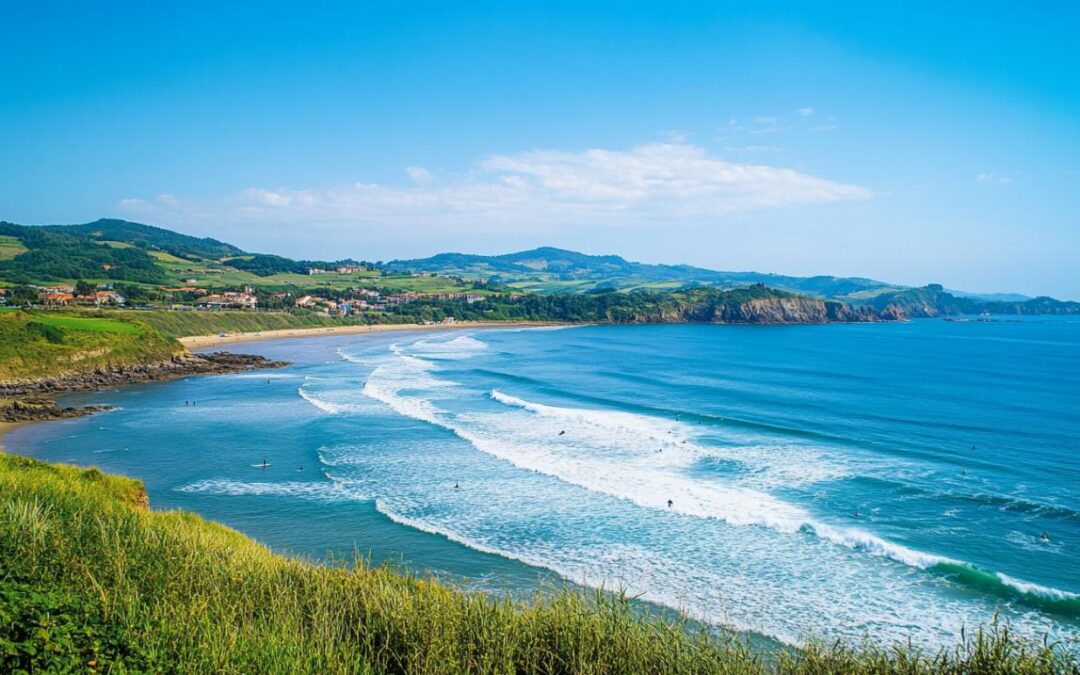
The legendary surf break at Mundaka has captivated wave riders from across the globe for decades, drawing those in search of the perfect barrel and an unforgettable surfing experience. Positioned along the rugged coastline of Bizkaia in the Basque Country, this iconic left-hand wave demands respect, preparation, and precise timing. For surfers eager to make the most of their journey to this renowned spot, leveraging modern technology such as live webcams and real-time monitoring tools has become an indispensable part of trip planning. By carefully observing conditions through digital feeds and correlating them with weather data, enthusiasts can pinpoint the optimal moments to paddle out and experience world-class surfing at its finest.
Understanding mundaka's legendary wave through live hd webcam footage
Mundaka's reputation as one of Europe's premier surf destinations is built upon the consistency and quality of its powerful left-hand wave. This remarkable wave forms over a rivermouth sandbar, creating a long, hollow barrel that challenges even the most experienced surfers. To truly grasp the dynamics of this exceptional break, utilising live high-definition webcam footage offers invaluable insights. These digital feeds provide a real-time window into the ever-changing conditions at the break, allowing surfers to observe wave height, shape, and energy without needing to be physically present. Platforms such as Surfline and Magicseaweed feature continuously updated webcam streams that capture the action at Santa Katalina Plaza and the surrounding coastline, enabling remote analysis and informed decision-making.
Analysing Swell Patterns and Wave Formation via Real-Time Camera Feeds
Observing swell patterns through webcam footage is an art form that seasoned surfers refine over time. The ability to watch waves roll in, break, and reform in real-time provides critical information about the current swell direction, period, and consistency. By studying these live feeds, surfers can determine whether the swell is arriving from the optimal angle to activate Mundaka's sandbar, which is essential for generating the long, powerful barrels the spot is famous for. Real-time camera feeds also reveal the frequency and quality of sets, helping to identify whether the conditions are building, holding steady, or declining. This visual intelligence complements numerical forecasts and tide coefficients, painting a complete picture of what to expect upon arrival. Additionally, observing the crowd size and local surfers' behaviour in the water offers further context about the day's potential and the level of competition for waves.
Identifying optimal tidal conditions through continuous webcam monitoring
Tidal movement plays a pivotal role in shaping the waves at Mundaka, and continuous webcam monitoring is an effective method for understanding how different tidal stages influence the break. The wave is highly sensitive to tidal fluctuations, with certain stages of the tide activating the sandbar more effectively than others. By regularly checking the webcam throughout the tidal cycle, surfers can correlate visual observations with tide charts to identify the sweet spot when the wave reaches its peak performance. This approach is particularly useful for those planning a visit from afar, as it allows them to study the relationship between tide, swell, and wave quality over several days or weeks. Monitoring the webcam during various tide coefficients also helps surfers anticipate how the wave will respond to different lunar phases and tidal ranges, ultimately leading to better timing and more rewarding surf sessions.
Seasonal Variations and Peak Surfing Periods Revealed by Webcam Mundaka
The coastal climate and swell patterns of Bizkaia mean that Mundaka experiences distinct seasonal variations, each offering unique opportunities and challenges for surfers. Understanding these seasonal shifts is crucial for planning a trip that coincides with the best possible conditions. Live webcam feeds serve as a powerful tool for revealing these patterns, as they document the changing wave quality, weather conditions, and water dynamics throughout the year. By reviewing historical webcam footage and comparing it with current live streams, surfers can identify trends and make educated predictions about when to book their flights and accommodation.
Autumn and Winter: Prime Season for Consistent Barrels
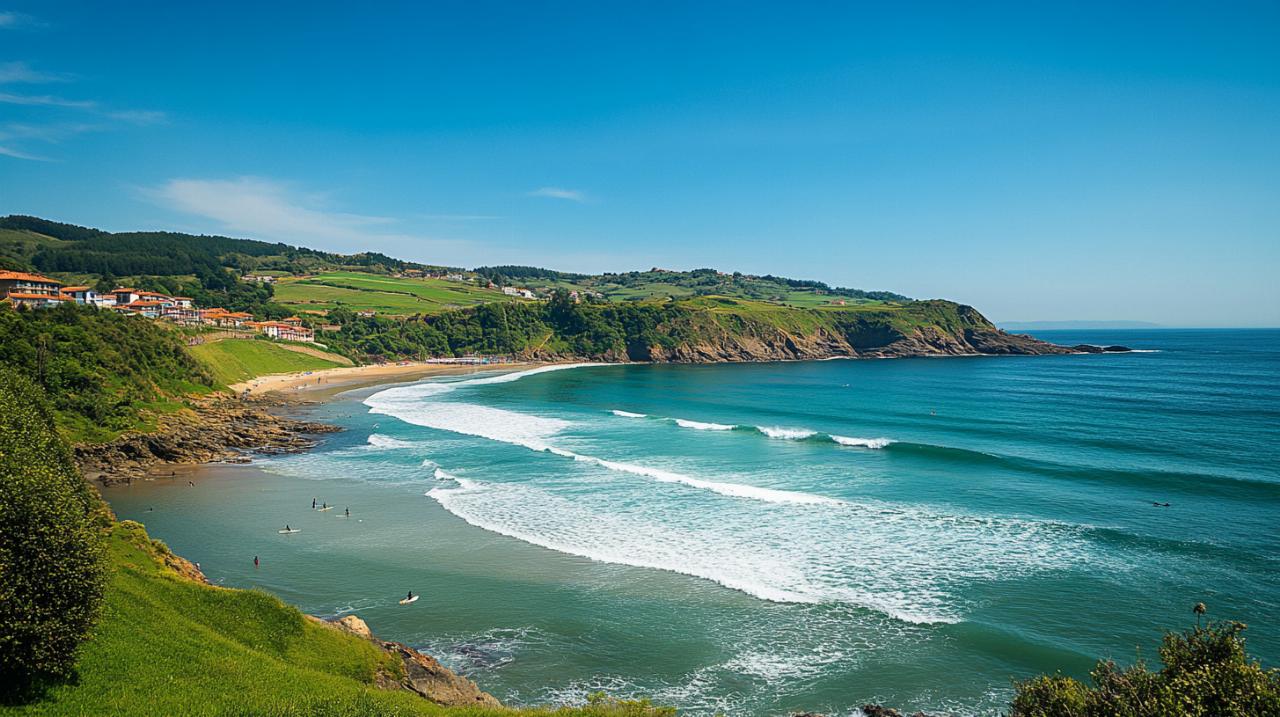
Autumn and winter are widely regarded as the prime seasons for surfing at Mundaka, and webcam observations consistently confirm this reputation. During these months, the North Atlantic generates powerful swells that travel towards the Basque coastline, delivering the size and energy required to activate the rivermouth sandbar. Live webcam footage from September through March often showcases impressive sets rolling in with regularity, providing the long, hollow barrels that have made Mundaka a bucket-list destination. The webcam not only captures the raw power of these swells but also documents the offshore winds that often accompany autumn and winter weather systems, grooming the waves into clean, glassy perfection. Surfers monitoring the webcam during this period can witness firsthand the ideal conditions that make the journey worthwhile, while also noting the increased crowd levels that often accompany peak season. By checking the webcam daily and cross-referencing with weather forecasts from sources such as AEMET, Meteored, and ElTiempo.es, surfers can pinpoint specific windows within the season when conditions align for truly exceptional sessions.
Spring conditions: evaluating lesser-known surfing windows
While autumn and winter dominate the conversation around Mundaka's best surfing periods, spring presents its own set of opportunities for those willing to explore lesser-known windows. Webcam Mundaka reveals that the months of April and May can deliver surprisingly good conditions, particularly during periods when late-season swells intersect with favourable wind patterns. The webcam footage during spring often shows smaller but cleaner waves, with fewer surfers in the water compared to the peak winter months. This combination of manageable wave size, reduced crowds, and improving weather makes spring an attractive option for intermediate surfers or those seeking a more relaxed experience. Monitoring the webcam throughout spring allows surfers to identify unexpected swells and take advantage of brief but rewarding surfing windows. Additionally, the webcam provides visual confirmation of water quality and beach conditions, which the Basque Government website also documents, ensuring that surfers can make informed decisions about when to paddle out.
Practical Guide to Using Live HD Webcam for Trip Planning
Successfully incorporating live webcam data into your trip planning requires a strategic approach that combines regular monitoring, data correlation, and practical forecasting. The goal is to move beyond passive observation and actively use the webcam as a decision-making tool that complements other sources of information. Surfers who master this process gain a significant advantage, as they can time their visits to coincide with the best conditions and avoid costly mistakes such as arriving during flat spells or unfavourable weather.
Daily wave checking routines and forecast correlation techniques
Establishing a daily wave checking routine is the foundation of effective trip planning using live webcams. This routine should involve checking the webcam at consistent times each day, ideally during key tidal stages, to build a comprehensive understanding of how conditions evolve over time. By comparing webcam footage with forecasts from mobile applications such as Wisuki and Windguru, surfers can verify the accuracy of predictions and refine their expectations. This correlation technique helps identify patterns, such as how wind speed affects wave quality or how swell period influences wave formation at the break. Over time, this disciplined approach develops a surfer's intuition and ability to interpret webcam footage quickly and accurately. Social media updates from local surfers also complement webcam observations, providing on-the-ground insights that might not be immediately apparent from the camera feed alone. Combining these multiple sources creates a robust forecasting framework that significantly increases the likelihood of scoring perfect waves.
Combining Webcam Data with Local Weather Predictions for Accurate Timing
To achieve the highest level of accuracy in trip planning, surfers must integrate webcam data with detailed local weather predictions. Services such as Windy offer interactive wind maps and wave pattern visualisations that complement the visual information provided by the webcam. By overlaying these forecasts with real-time webcam observations, surfers can assess whether predicted conditions are materialising as expected and adjust their plans accordingly. This integrated approach is particularly useful for identifying short-term changes in wind direction, cloud cover, and precipitation that might impact surf quality. Additionally, verifying tide coefficients for Mundaka's waves ensures that the timing of your surf session aligns with the optimal tidal window. Surfers planning lessons or guided sessions through services such as those offered at [email protected] or by calling 688 77 26 22 can use this combined data to select the best possible days for instruction, ensuring that beginners, adults, and advanced surfers alike benefit from ideal conditions. Ultimately, the marriage of webcam monitoring and comprehensive weather forecasting transforms trip planning from guesswork into a precise science, maximising the chances of experiencing the legendary waves of Mundaka at their absolute best.