
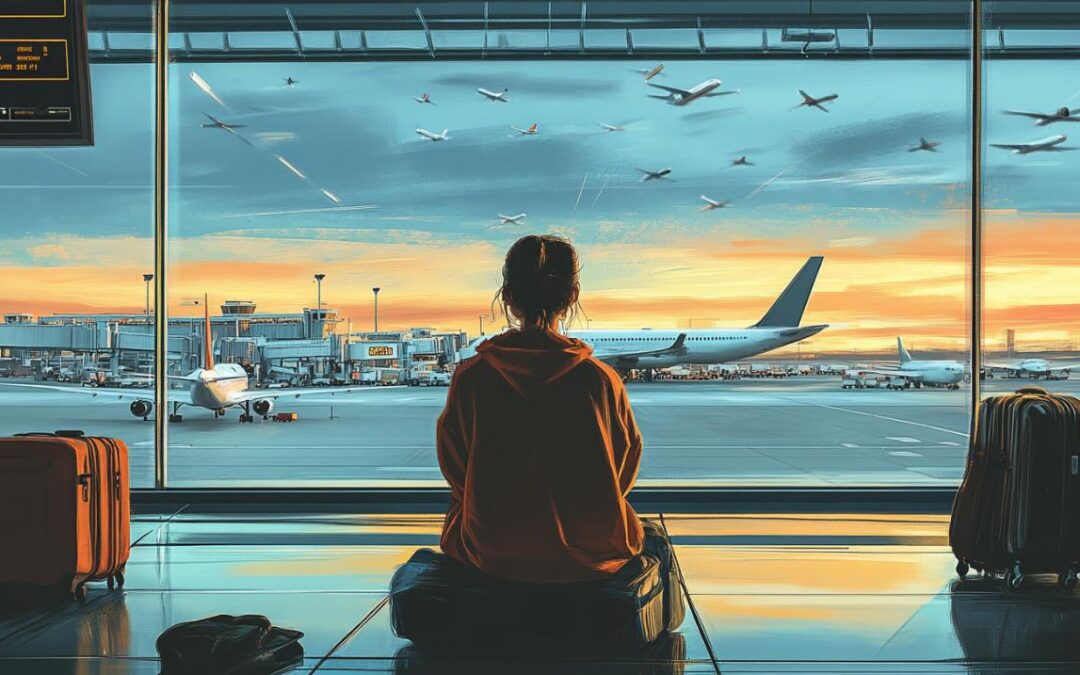
For countless individuals across the globe, the thought of boarding an aircraft can trigger a wave of overwhelming anxiety that transforms what should be an exciting journey into a source of profound distress. This phenomenon, often referred to as aeroacrophobia or the fear of flying, affects a significant portion of the population and can severely restrict both personal and professional opportunities. Recognising the importance of addressing this debilitating condition through professional treatment centres is essential for those seeking to reclaim their freedom to travel without the burden of crippling fear.
Understanding aeroacrophobia: the fear that grounds you
Aeroacrophobia, commonly known as aviophobia, represents a specific phobia that encompasses an irrational and intense fear of air travel. Statistics suggest that approximately one in ten people may experience this condition at some point in their lives, with global estimates indicating that up to 12.5 per cent of individuals could develop a specific phobia. In the United States alone, over 25 million adults grapple with this fear, making it a widespread concern that transcends geographical boundaries. The condition often emerges during a person's late teens or early thirties, frequently coinciding with significant life transitions such as starting a new job, relocating, or facing increased responsibilities that necessitate travel.
What Triggers the Fear of Flying and How Does It Manifest?
The origins of aerophobia remain somewhat elusive, yet research suggests that learned behaviours and perceptions of danger play a substantial role in its development. Individuals may acquire this fear through direct negative experiences, such as encountering severe turbulence or witnessing a distressing incident during a flight. Additionally, vicarious learning, where a person observes someone else's fearful reaction to flying, can contribute to the development of aviophobia. Media portrayals of aviation accidents, although statistically rare, can further amplify these anxieties by reinforcing the perception that air travel is inherently dangerous. The manifestation of this phobia is both psychological and physical, with sufferers experiencing a range of symptoms that can include severe anxiety, difficulty breathing, a racing heart, nausea, chills, and excessive sweating. In more intense cases, individuals may endure full-blown panic attacks characterised by an overwhelming sense of dread and a desperate urge to escape the situation.
The Psychological and Physical Impact of Aviophobia on Daily Life
The ramifications of aerophobia extend far beyond the confines of an airport terminal. For many, the fear of flying leads to a pattern of avoidance that can significantly limit personal and professional opportunities. Business trips may be declined, family holidays cancelled, and spontaneous adventures foregone, all in an effort to sidestep the anxiety associated with air travel. This avoidance behaviour can strain relationships, hinder career progression, and contribute to feelings of isolation and frustration. The psychological toll is equally profound, as individuals may experience persistent worry and anticipatory anxiety in the weeks or even months leading up to a scheduled flight. This chronic stress can affect sleep patterns, concentration, and overall quality of life. Physically, the symptoms associated with panic attacks, such as elevated heart rate and shallow breathing, can be mistaken for more serious medical conditions, further compounding the distress. Moreover, the reliance on sedatives or other medications to manage symptoms, while sometimes prescribed, carries its own set of risks, including impaired emergency response, increased susceptibility to blood clots such as deep vein thrombosis or pulmonary embolism, and potential legal complications when travelling to certain countries where such substances may be restricted.
Evidence-based treatment approaches available at specialist centres
Professional treatment centres offer a range of evidence-based interventions specifically designed to address the complex nature of aerophobia. Unlike the temporary relief provided by sedatives, these therapeutic approaches aim to tackle the root causes of the fear and equip individuals with lasting coping mechanisms. Cognitive behavioural therapy stands at the forefront of these treatments, helping patients identify and challenge irrational thought patterns that fuel their anxiety. By restructuring these cognitive distortions, individuals learn to view flying in a more realistic and manageable light. Exposure therapy, another cornerstone of phobia treatment, involves gradually and systematically confronting the feared situation in a controlled environment, allowing patients to build confidence and reduce their anxiety response over time. These methods have proven to be far more effective than pharmacological interventions alone, offering a sustainable path to overcoming the fear without the risks and side effects associated with medication.
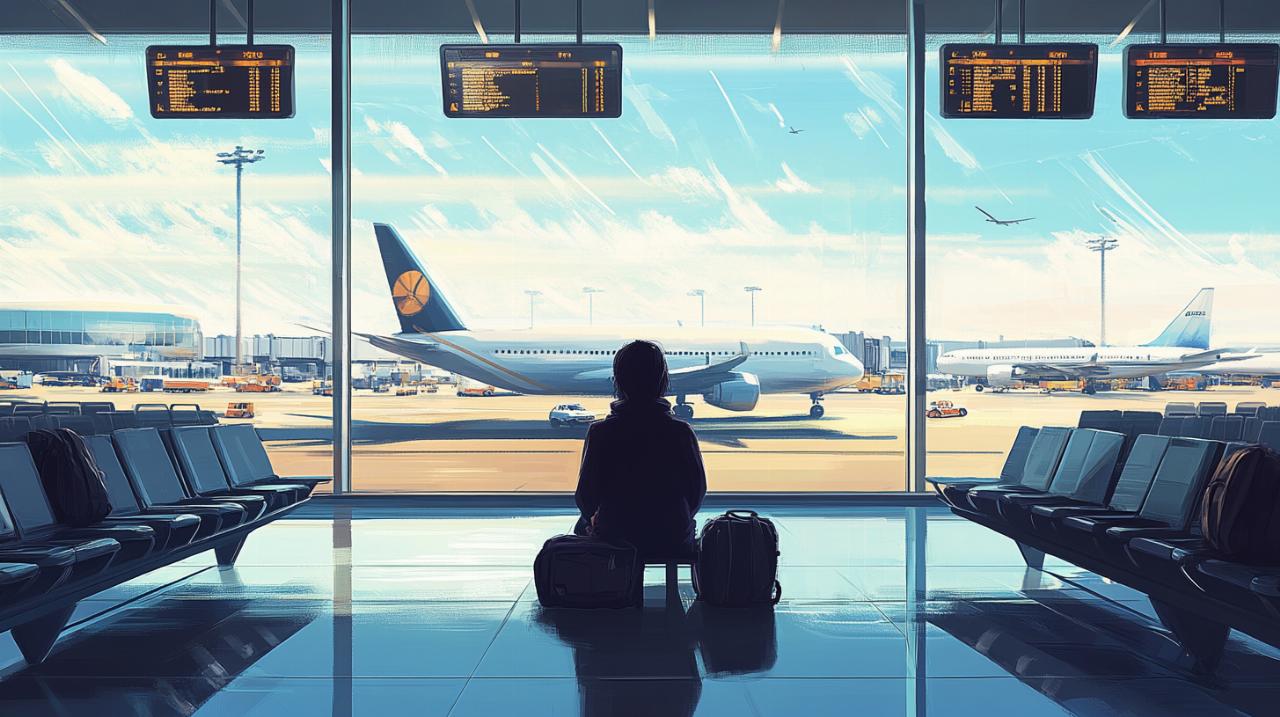
Virtual Reality Exposure and Simulator Training: Modern Solutions for Conquering Flight Anxiety
Advancements in technology have revolutionised the way phobia treatment is delivered, with virtual reality exposure and flight simulator training emerging as powerful tools in the battle against aviophobia. Virtual reality therapy immerses patients in a simulated flying experience, allowing them to confront their fears in a safe and controlled setting. This form of exposure therapy enables individuals to experience various stages of air travel, from boarding the aircraft to navigating turbulence, all whilst under the guidance of a trained therapist. The immersive nature of virtual reality helps desensitise patients to the triggers that provoke their anxiety, gradually diminishing the intensity of their fear response. Similarly, flight simulator training provides a realistic replication of the flight environment, offering hands-on experience that demystifies the mechanics of air travel. By understanding how aircraft operate and observing the professionalism of pilots, many individuals find their irrational fears begin to dissipate. These modern interventions have been integrated into programmes offered by major airlines and specialist centres, with organisations such as EasyJet, British Airways, and Virgin Atlantic providing structured Fear of Flying courses that combine education, exposure, and psychological support.
Cardiac coherence and stress management programmes: building resilience before take-off
Beyond direct exposure techniques, professional treatment centres emphasise the importance of stress management and resilience-building strategies. Cardiac coherence, a physiological state achieved through controlled breathing exercises, has been shown to promote emotional stability and reduce anxiety. By training individuals to regulate their heart rate variability, these programmes help patients achieve a state of calm that can be summoned in moments of distress. Stress management courses often incorporate mindfulness practices, relaxation techniques, and education about the body's stress response, empowering individuals to take control of their physical and emotional reactions. Expert guidance from professionals such as psychologists, therapists, and aviation specialists plays a crucial role in these programmes, offering personalised support tailored to each patient's unique needs. The combination of cognitive restructuring, practical exposure, and stress management creates a comprehensive approach that addresses the multifaceted nature of aerophobia, ensuring that individuals are not merely managing their symptoms but fundamentally transforming their relationship with flying.
Choosing the Right Programme: What to Consider When Seeking Professional Help
Selecting an appropriate treatment programme is a critical step in the journey towards overcoming aerophobia. With a variety of options available, ranging from airline-sponsored courses to independent therapy centres located in cities such as London, Abu Dhabi, Canada, Florida, Nevada, and Ohio, it is essential to consider several factors when making this decision. The quality of the programme, the credentials of the professionals involved, and the specific methodologies employed all contribute to the likelihood of success. Prospective participants should seek out programmes that emphasise evidence-based treatments, such as cognitive behavioural therapy and exposure therapy, and avoid those that rely primarily on medication without addressing the underlying psychological components of the phobia. Additionally, the structure and duration of the course should align with the individual's schedule and personal circumstances, ensuring that the commitment can be sustained throughout the treatment period.
Evaluating costs, services, and success rates across treatment centres
Financial considerations are an inevitable aspect of seeking professional help, and the cost of treatment programmes can vary significantly depending on the provider, location, and comprehensiveness of the services offered. Whilst some may be tempted to opt for the least expensive option, it is important to balance cost with the quality and effectiveness of the programme. Researching success rates and reading testimonials from former participants can provide valuable insight into the outcomes achieved by different centres. Many reputable organisations publish data on the percentage of individuals who report reduced anxiety and increased confidence in flying following completion of their courses. It is also worth considering the ancillary services provided, such as follow-up support, access to online resources, and opportunities for refresher sessions, all of which can enhance the long-term efficacy of the treatment. Some centres offer tiered pricing structures or payment plans to accommodate varying budgets, making professional help more accessible to a broader audience.
Expert Guidance and Personalised Support: The Key to Transforming Fear into Freedom
The role of expert guidance cannot be overstated when it comes to overcoming aerophobia. Professionals such as Claude Dentan and Marie, who specialise in phobia management, bring a wealth of experience and knowledge to their practice, offering insights that go beyond generic advice. Personalised support, which takes into account an individual's specific triggers, history, and psychological profile, ensures that the treatment is not only relevant but also maximally effective. This tailored approach may involve one-on-one therapy sessions, group workshops, or a combination of both, depending on what best suits the patient's learning style and comfort level. Building a rapport with a trusted therapist can significantly enhance the therapeutic process, providing a safe space for individuals to explore their fears and develop coping strategies. Furthermore, the involvement of family and friends in the treatment process, as encouraged by many centres, can provide an additional layer of support and encouragement. Ultimately, the goal of professional treatment is not simply to enable individuals to tolerate flying but to transform their fear into a sense of freedom and empowerment, opening up a world of possibilities for travel and adventure. By investing in quality care and committing to the therapeutic process, countless individuals have successfully conquered their fear of flying and reclaimed their ability to explore the world with confidence and ease.