
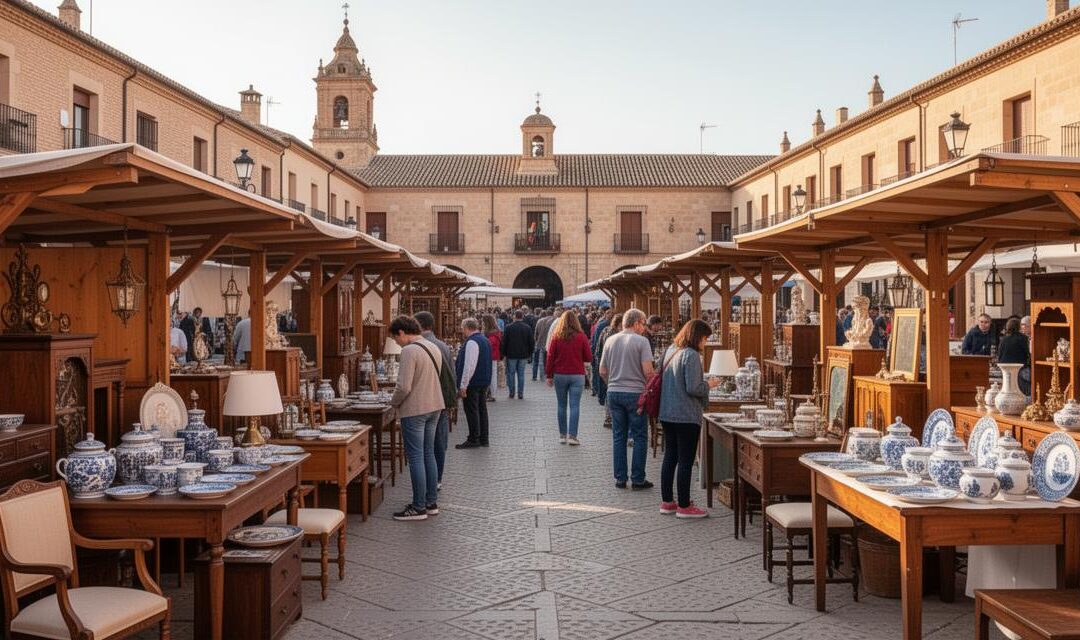
Spain has long been a paradise for curious wanderers and dedicated treasure hunters alike. From the sun-drenched plazas of Madrid to the narrow lanes of Barcelona’s Barrio Gòtic, the country’s flea markets, brocantes, and thrift shops offer a remarkable window into local life, history, and craftsmanship. Whether you are strolling through a Sunday mercadillo or uncovering hidden gems at a regional antique fair, knowing how to navigate these vibrant spaces makes all the difference.
Key takeaways
- Spain offers a rich culture of flea markets, brocantes, and thrift shops that serve as a window into local history and craftsmanship.
- Madrid’s El Rastro and Barcelona’s Els Encants are iconic destinations where visitors can discover everything from vintage clothing to rare antiques.
- Regional markets in Catalonia and the Basque Country provide unique experiences influenced by cross-border traditions and local artisanal heritage.
- Exploring markets along historic railway routes and coastal towns allows travelers to find objects that reflect the seafaring and trading history of those communities.
- Effective haggling in Spain relies on building rapport, showing genuine interest in the item, and using polite phrases rather than aggressive bargaining.
- Arriving early helps secure the best selection, while visiting stalls near closing time can sometimes lead to better pricing on remaining stock.
- Developing long-term relationships with specific stallholders over multiple visits is the best way to access exclusive pieces and favorable deals.
Uncovering Hidden Treasures in Madrid and Barcelona
Navigating the Famous El Rastro and Gothic Quarter Stalls
Madrid’s El Rastro is arguably the most celebrated flea market in the whole of Spain. Held every Sunday and on public holidays, it sprawls across the streets around the Calle de la Ribera de Curtidores, drawing both locals and visitors in their thousands. The market radiates outward from the Cascorro fountain and the Plaza del General Vara del Rey, filling the surrounding barrio with stalls selling everything from vintage clothing to antique furniture, rare books, and decorative objects. The atmosphere is festive and unhurried, with passers-by lingering over tables piled high with curiosities that seem to have tumbled straight from a desván, a Spanish attic crammed with the accumulated treasures of generations.
In Barcelona, the Barrio Gòtic and the wider Gothic Quarter offer their own distinct flavour of second-hand discovery. The Feria de Bellcaire, also known as Els Encants, is a landmark destination for anyone passionate about vintage finds, antique furniture, and unique décor. Set beneath a dramatic mirrored canopy, it hosts traders offering everything from old books and retro clothing to reclaimed household items. A morning spent wandering its covered walkways feels less like shopping and more like a genuine jornada of discovery, with each stall presenting its own small world of forgotten objects.
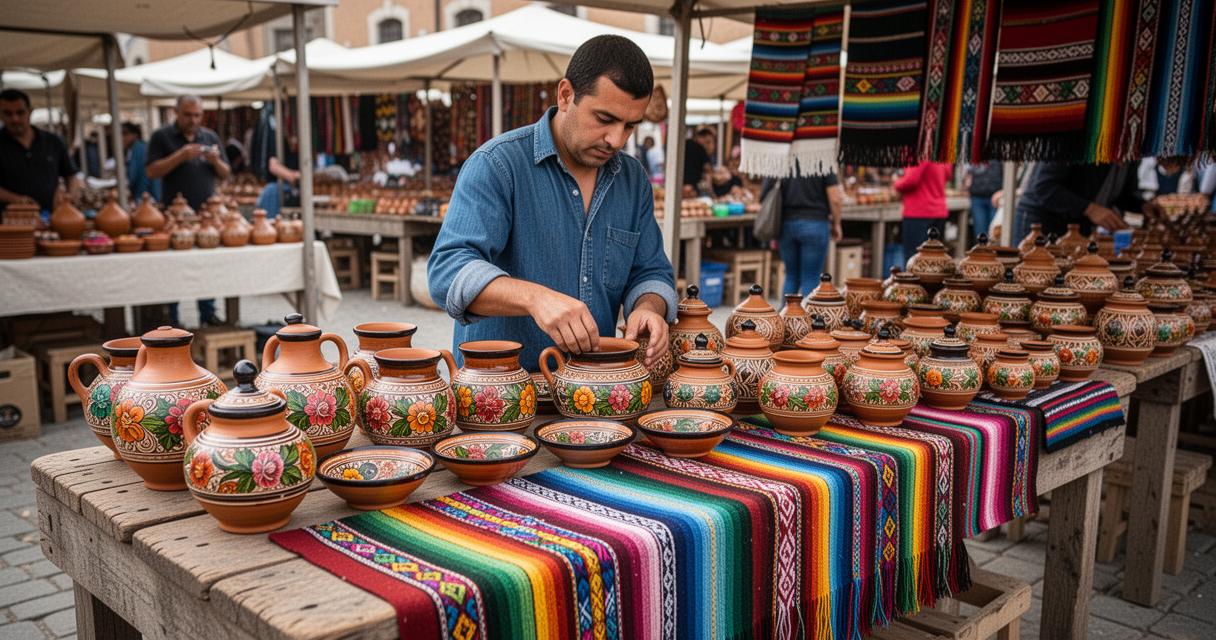
Spotting authentic vintage clothing and unique decor
Both cities reward the patient browser. In Madrid, the side streets feeding into El Rastro are home to specialist dealers in vintage ropa and retro muebles, where genuine mid-century pieces sit alongside more recent cast-offs. In Barcelona, the Ribera neighbourhood and the streets surrounding the Gothic Quarter host smaller mercadillos that change with the seasons, making repeat visits worthwhile. The key to finding authentic pieces rather than tourist-facing trinkets is to arrive early, move slowly, and engage with traders directly, a simple smile and a few words of Spanish go a long way towards unlocking the best stock kept behind the stall.
Exploring Regional Markets from Catalonia to the Basque Country
Discovering Brocantes and Antique Fairs in Northern Spain
Beyond Madrid and Barcelona, Spain’s regional markets are rich with character and local identity. Catalonia, with its proximity to France and the Pyrenees Orientales, has developed a strong tradition of brocante culture that blends Spanish and French influences into something entirely its own. Weekend antique fairs in smaller Catalan towns often attract dealers from across the Pyrenees, bringing in pieces that reflect the shared heritage of the Languedoc and Roussillon regions just across the border. This cross-border dimension gives Catalan markets a breadth that sets them apart, with antique depots, rare books, and decorative objects that reflect centuries of exchange along ancient trade routes.
The Basque Country, or País Vasco, offers a contrasting but equally rewarding experience. Markets here tend to be deeply rooted in local craft traditions, with stalls featuring handmade goods alongside second-hand finds. The region’s towns and coastal settings provide a striking backdrop for browsing, and the Basque enthusiasm for quality and authenticity is palpable in the care with which traders present their wares. Ferias in the Basque Country are community events as much as commercial ones, and arriving with genuine curiosity rather than a shopping list is the best approach.
Finding Antiques along Historic Railway Routes and Coastal Towns
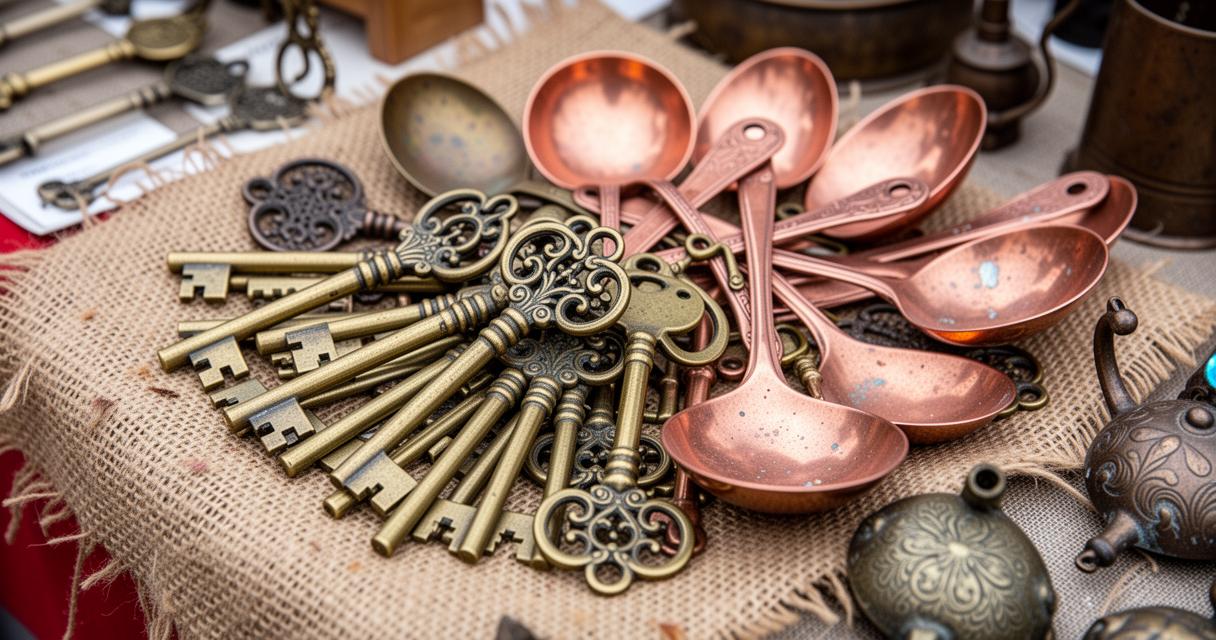
One of the most rewarding ways to explore Spain’s antique and second-hand scene is to follow the country’s historic railway routes, stopping at market towns along the way. The old camino de ferrocarril (the railway path) connects a string of communities whose Sunday markets have been gathering places for generations. Coastal towns along Spain’s northern and eastern shores are particularly well-served, with mercadillos that reflect the seafaring and trading heritage of their communities. Here, old maps, maritime objects, and vintage clothing mix with handmade pottery and locally crafted furniture in a way that feels entirely organic.
Essential haggling etiquette for spanish street markets
Mastering Local Phrases for Fair Haggling on Sundays
Negotiating at a Spanish flea market is an art form that rewards those who approach it with respect and good humour. The cardinal rule is never to open with an insultingly low offer, Spanish traders take pride in their stock, and a dismissive bid will close the conversation before it has begun. Instead, express genuine interest in the object, ask questions about its history, and let a natural rapport develop. A well-timed ¿me puede hacer un mejor precio? (can you offer me a better price?) delivered with a smile, is far more effective than aggressive bargaining.
Sundays and festivos are the busiest days, and while competition for the finest pieces is keenest in the morning, the hours approaching midday can yield excellent deals as traders begin to pack away. Patience is a genuine asset. Regular visitors to markets like El Rastro or the Feria de Bellcaire often find that building a relationship with a particular stall holder over several visits leads to access to better pieces and more flexible pricing than any single-visit haggle could achieve.
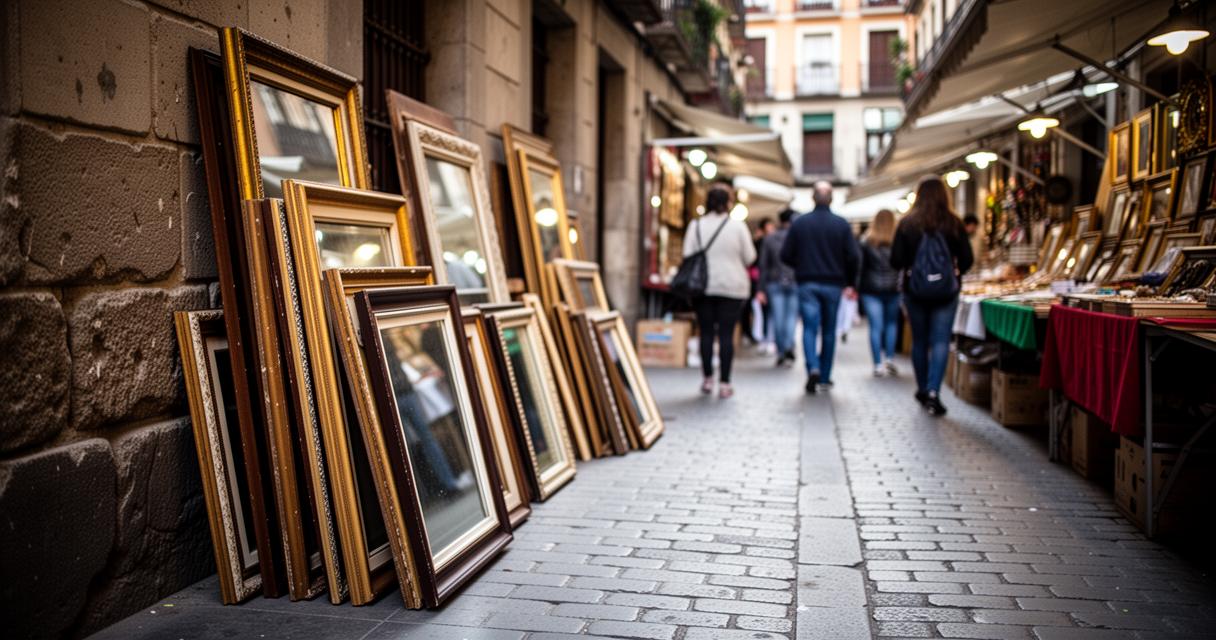
Securing the Best Deals on Second-Hand Goods and Rare Books
For those with a particular passion for libros antiguos (rare and antique books) Spain’s markets are a genuine treasure trove. Specialist book stalls appear regularly at the larger ferias, and dedicated second-hand book markets operate independently in several cities. The trick is to know roughly what you are looking for while remaining open to serendipitous discovery. A volume of local history picked up for a modest sum at a stall in a Catalan plaza can prove to be a far more meaningful souvenir than anything bought from a conventional shop. Similarly, vintage clothing enthusiasts will find that a patient caminar through the back stalls of any major Spanish mercadillo almost always surfaces something genuinely special, a coat, a belt, a pair of handmade shoes that speak of another era entirely. Spain’s flea markets, brocantes, and thrift shops are, at their heart, places of stories, and the best way to honour them is simply to slow down and listen.