
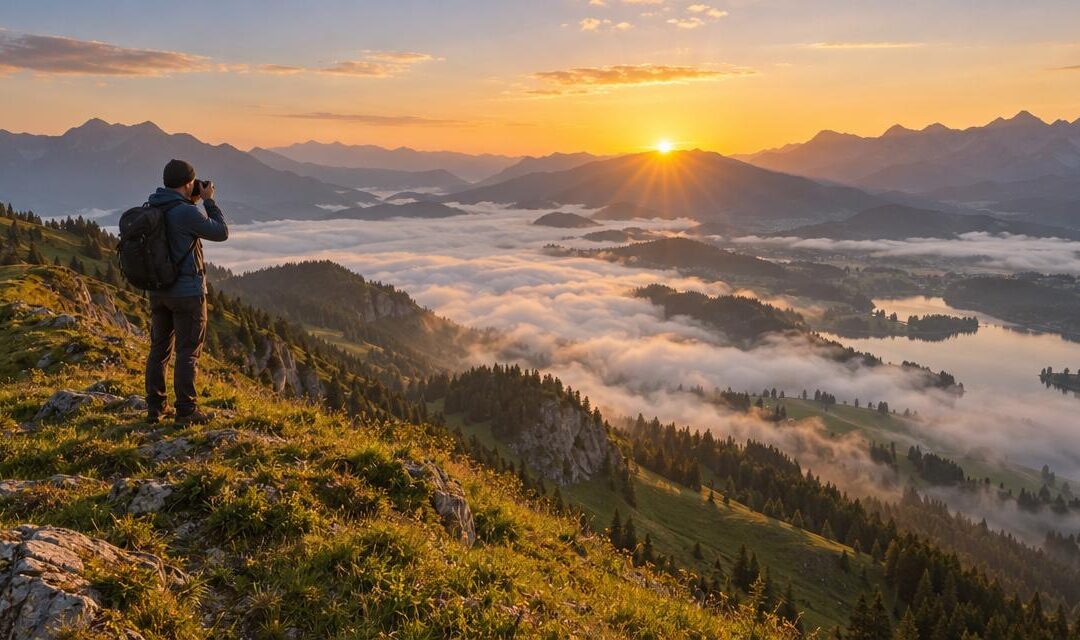
Taking your camera out on a walking holiday or a weekend ramble through the countryside is one of the most rewarding ways to document the natural world. Whether you are strolling along a coastal path or tackling a rugged moorland trail, the right camera can transform your outdoor experience and help you bring home images that truly capture the moment.
Key takeaways
- Choosing a camera for hiking requires finding a balance between high image quality and a lightweight, portable design.
- Dedicated compact or mirrorless cameras offer better optical zoom, battery life, and low-light performance compared to most smartphones.
- Durability is a critical factor, making weather-resistant and shockproof models ideal for navigating unpredictable outdoor conditions.
- Effective outdoor photography relies on mastering natural light, particularly during the golden hour, and utilizing techniques like the rule of thirds for composition.
- Using a rucksack-mounted pouch ensures your camera remains accessible for quick shots while staying protected during a hike.
- Essential accessories like spare batteries, cleaning cloths, and silica gel sachets help maintain equipment performance and protect against environmental moisture.
Choosing the right camera for your outdoor adventures
When it comes to beginner travel photography, the sheer variety of cameras on the market can feel overwhelming. Fortunately, narrowing down your options becomes much simpler once you understand what matters most on the trail. For those exploring the world of portable photography gear, the AgfaPhoto range offers an accessible starting point, with straightforward models designed for everyday adventurers rather than seasoned professionals.
Compact cameras versus smartphones: what suits walkers best
Smartphones have become remarkably capable in recent years, with some flagship models featuring sensors that rival entry-level dedicated cameras. Yet for walkers who want more creative control, a compact mirrorless camera or a reliable best point and shoot option still holds a clear advantage. Dedicated cameras tend to offer superior optical zoom, better low-light performance, and more robust battery life, all qualities that matter greatly when you are miles from the nearest charging point.
A lightweight hiking camera that slips easily into a jacket pocket or a small day-pack pocket is ideal for most walkers. The key is finding a balance between image quality and portability. Many walkers find that a compact digital camera strikes this balance admirably, delivering sharp, well-exposed images without weighing them down on a long ascent.
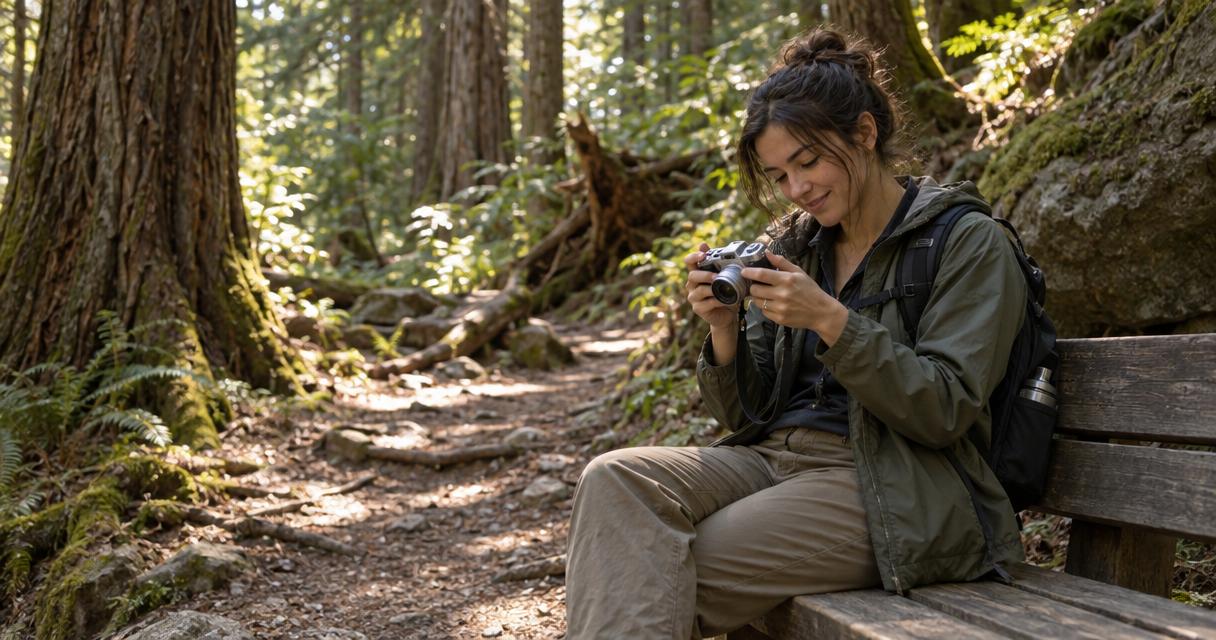
Key features to look for when buying a camera for hiking
Durability is arguably the most important consideration for outdoor photography. A weatherproof digital camera or a waterproof adventure camera will withstand the unpredictable British weather far better than a standard consumer model. Look for cameras with shockproof and water-resistant housings if you plan to venture into genuinely challenging terrain.
Beyond durability, battery life deserves serious attention. Running out of power halfway through a hike is a frustrating experience, so opting for a camera with a generous number of shots per charge is well worth considering. Other valuable features include image stabilisation to counteract the inevitable camera shake that comes from shooting whilst slightly out of breath, Wi-Fi or Bluetooth connectivity for easy sharing, and a lightweight body that will not strain your neck or shoulders over a full day on the trail. Rugged action cameras are another popular choice for walkers who enjoy fast-paced activities, as their compact size and durable construction make them well suited to challenging conditions.
Practical tips for capturing stunning shots on the trail
Owning the right camera is only part of the equation. Learning how to use it effectively in an outdoor setting will make a far greater difference to your results than any technical specification ever could.
Making the most of natural light and landscape composition
The quality of natural light changes dramatically throughout the day, and the most experienced outdoor photographers know that the hours just after sunrise and just before sunset (often called the golden hour) produce the warmest, most flattering tones. On overcast days, the diffused light can actually be ideal for capturing fine detail in woodland or along riverbanks, reducing harsh shadows that bright midday sun can create.
Composition is equally important. Consider using natural features such as a winding footpath, a dry stone wall, or a row of trees as a leading line to draw the viewer’s eye deeper into the image. Placing your main subject (whether a mountain peak or a wildflower meadow) off-centre using the rule of thirds often produces more visually engaging results than simply centring everything in the frame. A lightweight tripod for travel can also be invaluable for sharp long-exposure shots of waterfalls or misty valleys.
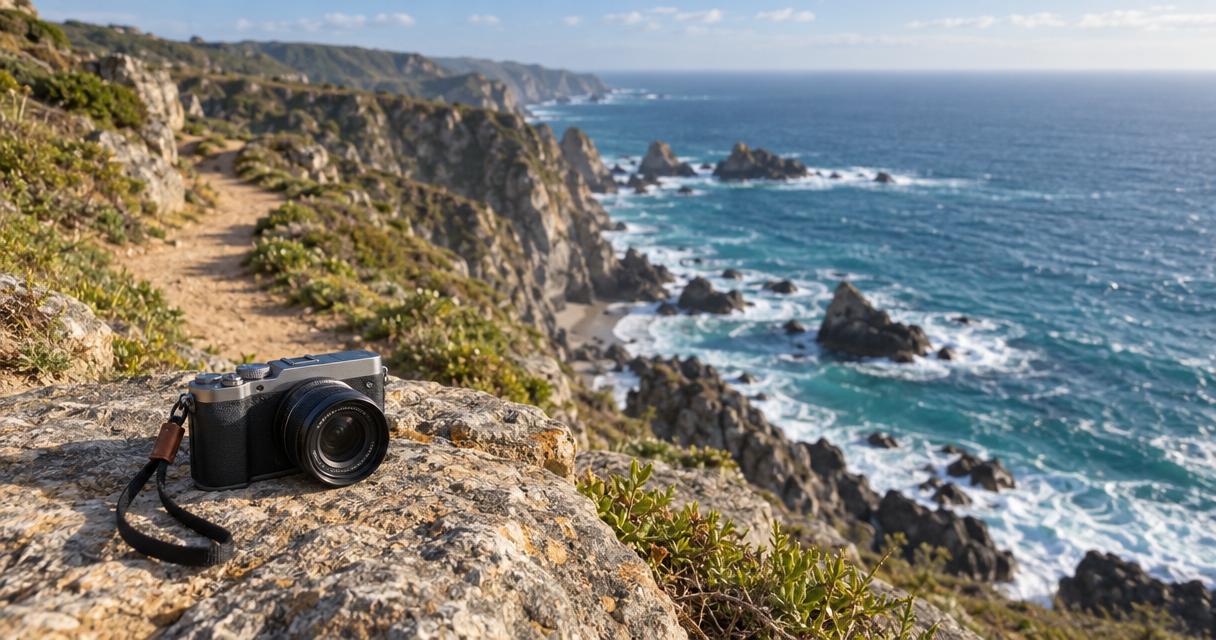
Keeping your camera safe and ready during long walks
Practical camera management on the trail is an often-overlooked aspect of travel photography tips. Keeping your camera easily accessible without risking damage requires a little forethought. A well-padded camera pouch attached to a rucksack strap allows you to grab your camera quickly when a red kite soars overhead or a stunning vista suddenly opens up. Avoid leaving your camera at the bottom of a bag, where fumbling to retrieve it will inevitably mean missing the shot.
Essential travel camera accessories such as a spare battery, a microfibre cleaning cloth, and a protective UV filter for the lens are small additions that can make a meaningful difference to your overall experience. A silica gel sachet tucked into your camera bag will help manage moisture on damp days, protecting both your camera body and lens from the condensation that can build up during temperature changes in the hills. With the right kit and a little preparation, your walking photographs can become a genuinely treasured record of every adventure.