
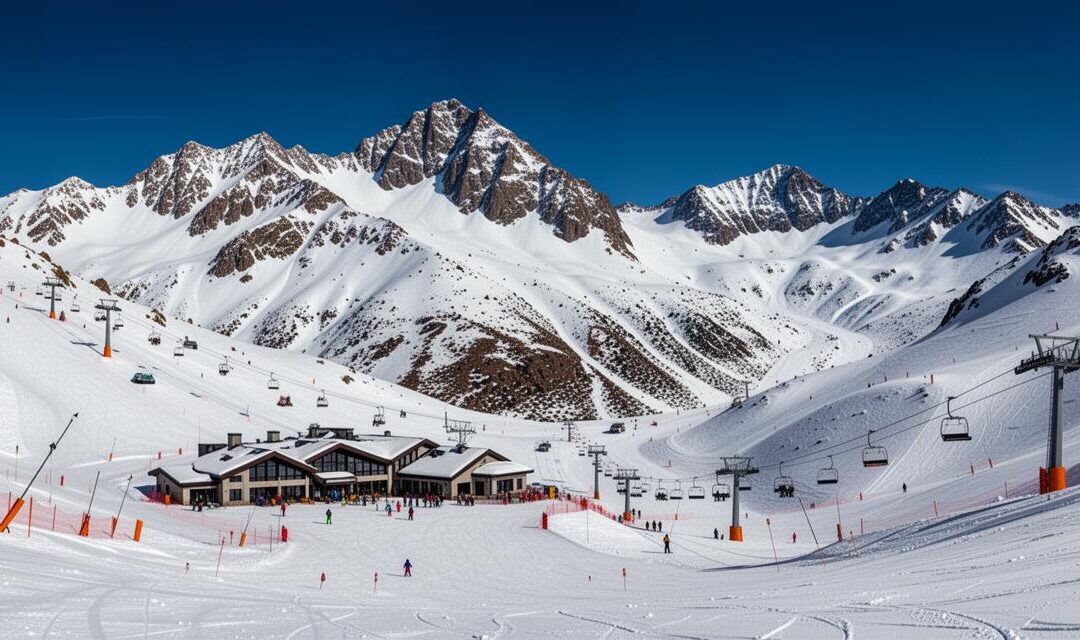
The Pyrenees in winter offer far more than groomed pistes and après-ski warmth. For those willing to lace up their boots, strap on a pair of snowshoes and venture beyond the ski lifts, the mountains of Catalonia reveal a quieter, more intimate side, one of frozen valleys, ancient forests and peaks that seem to belong to another world entirely. The Vallter 2000 ski resort in the Pyrenees is not merely a destination for downhill enthusiasts; it is also a superb basecamp for exploring one of the most breathtaking winter landscapes in northern Spain.
At a glance
- The Vallter 2000 ski resort in the Catalan Pyrenees serves as an excellent base for winter hiking and snowshoeing beyond the ski slopes.
- The Capçaleres del Ter i del Freser Natural Park offers diverse routes for all skill levels, ranging from gentle valley walks to challenging high-altitude treks.
- Experienced hikers can attempt the ascent toward the Ull de Ter summit, which provides spectacular glacial scenery and views stretching into France.
- Proper winter equipment, including snowshoes with crampons, thermal clothing, and trekking poles, is essential for safety and comfort in the mountain environment.
- Consulting daily avalanche bulletins and local guides is crucial for safety, as weather conditions in the high Pyrenees can change rapidly.
- Visitors to the Ripollès region can enhance their experience by staying in traditional mountain lodges and enjoying hearty, local Catalan gastronomy.
Exploring the Scenic Trails Around Vallter and the Ter Headwaters
Nestled in the heart of the Ripollès region of Catalonia, the area surrounding Vallter 2000 rewards those who seek it on foot just as generously as it rewards those on skis. The resort sits at a considerable altitude, which means the snow cover is reliable throughout the season and the scenery (sweeping views across the Catalan Pyrenees) is rarely less than spectacular. Whether you arrive from the Vall de Camprodon or head further into the hills from the resort itself, the walking possibilities are plentiful and varied.
Winter Routes Through the Capçaleres del Ter i del Freser Natural Park
One of the great privileges of staying near Vallter 2000 is having the Capçaleres del Ter i del Freser Natural Park practically on the doorstep. This protected natural area encompasses the headwaters of both the Ter and Freser rivers, and in winter it transforms into a pristine white landscape of outstanding natural beauty. Snowshoeing through this park is a genuinely moving experience: the silence is profound, broken only by the crunch of snow underfoot and the occasional call of a bird of prey overhead. Several marked routes wind through the park, catering to a range of abilities, from gentle valley walks suitable for families to more demanding high-altitude hikes that require proper preparation and experience in mountain environments.
The terrain here is characterised by wide, open snowfields interspersed with patches of pine forest and rocky outcrops draped in snow. Wildlife observation is a rewarding side pursuit on these trails, as the area is home to chamois, various raptors and, if you are fortunate enough, the elusive snow vole. It is worth noting that visitors to such protected areas in the Pyrenees are always encouraged to stay on marked paths and to respect the natural environment, particularly during the sensitive winter months when animals are conserving energy.
Ascending Towards the Ull de Ter Summit and Surrounding Pyrenean Peaks
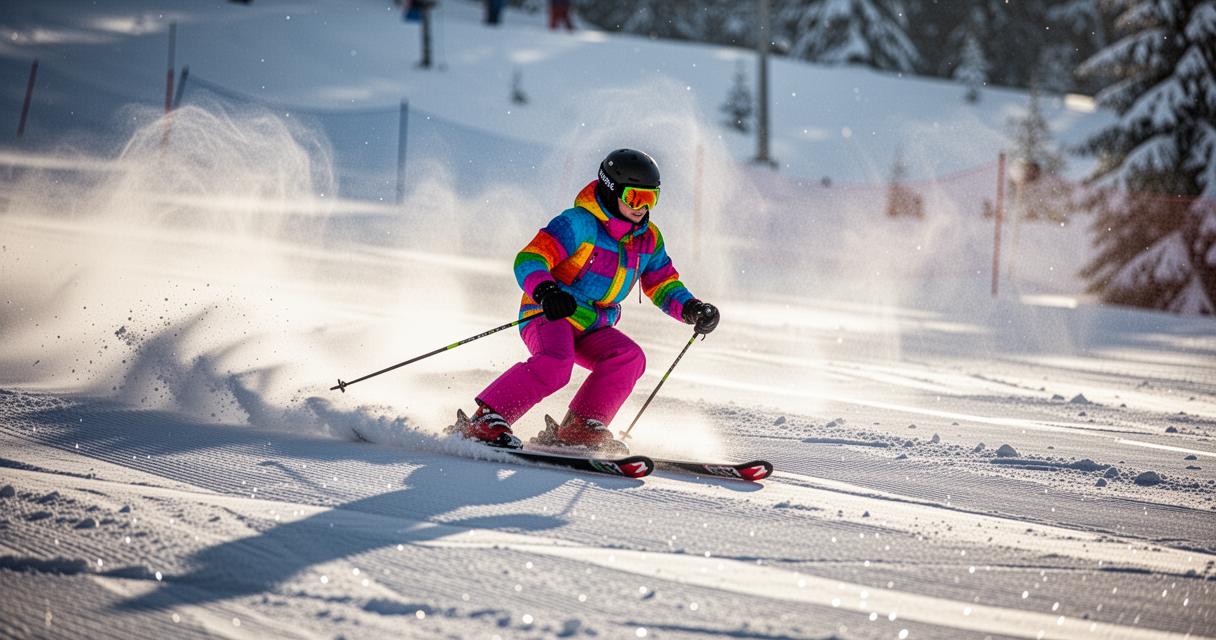
For more experienced hikers and those comfortable with high-altitude trekking, the ascent towards the Ull de Ter summit and the broader ridge system above the resort is a magnificent undertaking. The landscape at this elevation is starkly beautiful, a world of wind-scoured ridges, glacial cirques and distant views stretching across the Pyrenees into France. The routes towards these summits demand appropriate winter equipment, solid navigation skills and ideally some experience of alpine landscapes in snowy conditions. A mountain guide can make all the difference here, transforming what might otherwise be a stressful undertaking into an exhilarating and safe adventure. The morens (the rocky moraines left by ancient glaciers) add a geological dimension to the scenery that geology enthusiasts will find particularly captivating.
Essential Equipment and Preparation for Catalan Snowshoeing Expeditions
Setting out into the Pyrenees mountains in winter without adequate preparation is something no sensible walker should consider. The conditions can change swiftly and dramatically, and what begins as a crisp, clear morning can develop into something altogether more challenging within hours. Fortunately, the rewards of being properly equipped are substantial: comfort, safety and the freedom to focus entirely on the extraordinary landscapes around you.
Selecting Suitable Snowshoes and Alpine Gear for Mountain Paths
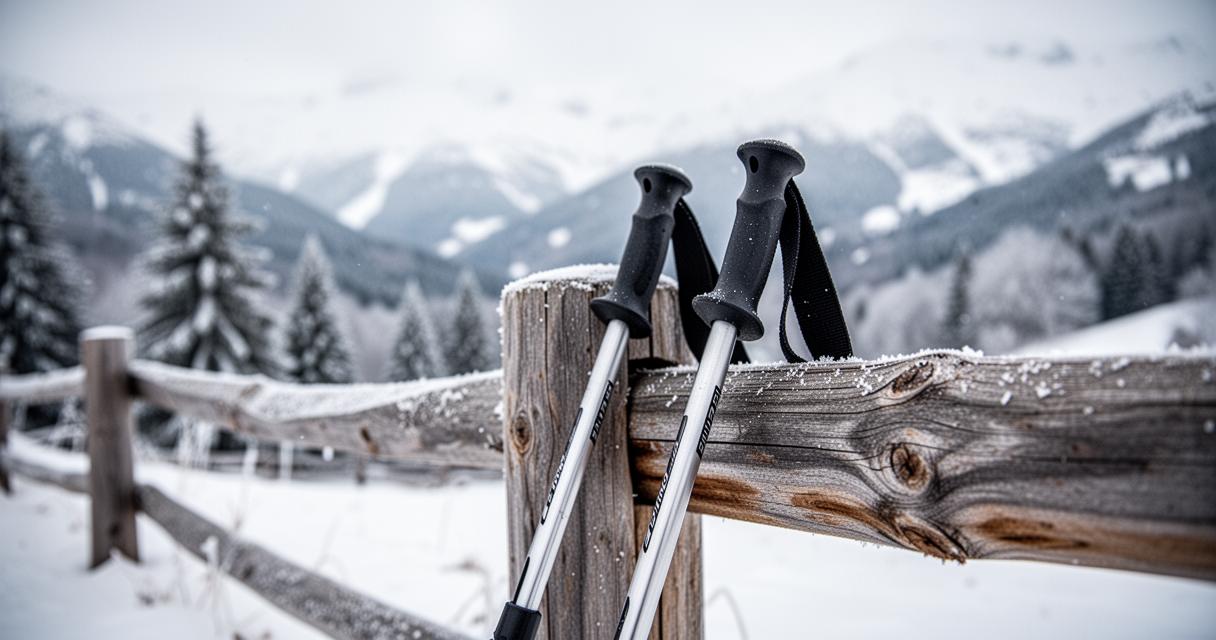
Choosing the right hiking equipment is the first step towards a successful winter outing near Vallter. Snowshoes come in various types, broadly divided into those designed for flat terrain and those built for steep, technical ground. In the Pyrenean context, a pair of snowshoes with crampons and heel-lift bars is strongly recommended, as the trails frequently involve both ascent and descent on firm snow. Beyond the snowshoes themselves, sturdy waterproof boots, thermal layers, ski pants, insulated gloves and a reliable pack containing water, snacks and a change of dry clothes are all considered essential. Many visitors choose to hire equipment locally rather than travel with it, and the resort area and nearby villages in the Ripollès region have facilities to accommodate this. Trekking poles adapted for snow are also worth considering, particularly on steeper sections where balance becomes critical.
Checking local weather conditions and avalanche safety guidelines
No discussion of winter sports in the high Pyrenees would be complete without addressing avalanche awareness. The Spanish Pyrenees, like their French counterparts, see avalanche risk that varies considerably depending on recent snowfall, wind direction and temperature fluctuations. Before setting out on any backcountry route, checking the current avalanche bulletin for the area is not optional, it is a fundamental part of responsible mountain behaviour. Local guides and resort staff are invaluable sources of up-to-date information, and their advice should always be sought and heeded. It is also wise to inform someone of your planned route and expected return time whenever venturing into more remote terrain.
Discovering the Culture and Accommodation of the Ripollès Region
The appeal of a winter visit to this corner of Catalonia extends well beyond the trails themselves. The Ripollès region is steeped in history and culture, from its Romanesque churches to its deeply-rooted traditions of mountain life, and spending a few days here means immersing yourself in a way of living that feels genuinely authentic.
Traditional Mountain Lodges and Hotels in Nearby Vall de Camprodon
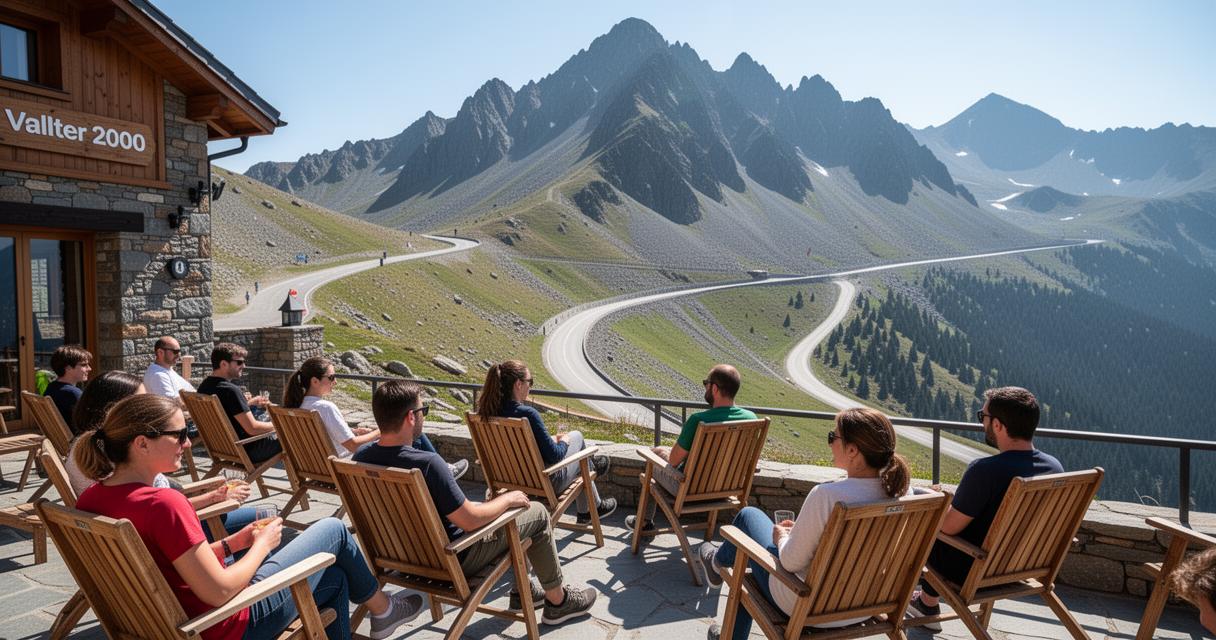
The Vall de Camprodon is the natural heart of this part of Catalonia, a broad and handsome valley dotted with stone villages, rushing rivers and the kind of scenery that makes you want to slow down and simply look. Accommodation in the valley ranges from small family-run hotels to traditional mountain refuges, many of which offer hearty evening meals and a warm welcome after a long day outdoors. A mountain refuge stay is particularly recommended for those planning multi-day snowshoeing circuits, as it offers both shelter and the companionship of fellow walkers who share the same enthusiasm for the outdoors. Booking ahead in winter is advisable, as the best lodges fill quickly during the peak months of the ski season.
Combining Outdoor Winter Sports with Local Gastronomy in Catalonia
Any visit to this part of the Catalan Pyrenees would feel incomplete without taking the time to explore its food culture. The local cuisine is hearty and deeply seasonal, built around the kind of nourishing, well-cooked dishes that make perfect sense after a day of winter hiking in the cold mountain air. Think slow-cooked meats, locally cured charcuterie, wild mushrooms gathered from the surrounding forests and a generous abundance of bread and cheese. The villages near Vallter 2000 and throughout the Ripollès region maintain strong traditions of artisan food production, and a visit to a local market or a leisurely dinner at a village restaurant is a delight. The combination of outdoor adventure by day and warm, convivial evenings around the table is, for many visitors, precisely what makes a Pyrenean winter break so memorably satisfying.