
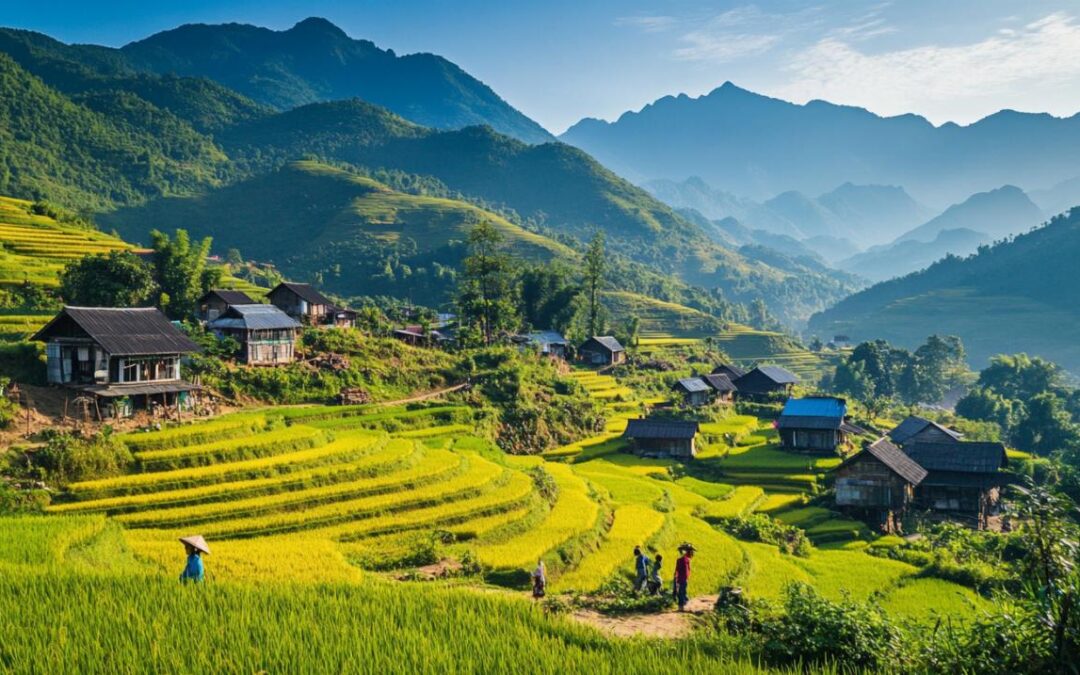
Nestled within the dramatic landscapes of northern Vietnam, Ta Phin Village offers travellers a rare glimpse into a world where time seems to move at a gentler pace. This enchanting settlement, cradled by terraced rice fields and mist-shrouded valleys, presents an opportunity to step away from the well-trodden tourist circuits and immerse oneself in the authentic rhythms of highland life. For those seeking cultural immersion alongside breathtaking natural scenery, this corner of Lao Cai province delivers an experience that lingers long after the journey home.
Unveiling ta phin: a hidden gem in vietnam's northern highlands
Ta Phin Village sits approximately eleven kilometres north of Sapa town centre, perched within the spectacular terrain of Lao Cai province. The journey to this remote settlement rewards visitors with panoramic vistas of emerald rice terraces cascading down hillsides, their geometric patterns shifting with the seasons. Unlike more commercialised destinations, Ta Phin retains an atmosphere of tranquillity and authenticity, where the daily lives of ethnic minority communities unfold against a backdrop of extraordinary natural beauty. The village has become increasingly recognised among adventure tourism enthusiasts and those pursuing eco-tourism experiences that prioritise meaningful engagement with local cultures over superficial encounters.
Journey from Hanoi to Sapa's Enchanting Villages
Reaching Ta Phin requires first navigating the route from Vietnam's capital to the northern highlands. Travellers departing from Hanoi have several options for covering the distance to Sapa, each offering distinct advantages. The sleeper bus provides an economical choice, typically requiring five to six hours to complete the journey through winding mountain roads. Alternatively, the train journey to Lao Cai station takes between seven and nine hours, followed by a short bus or taxi transfer to Sapa town. Those preferring direct routes might opt to hire a private vehicle, which covers the distance in approximately five to six hours whilst allowing stops at scenic viewpoints along the way. From Sapa itself, Ta Phin lies a mere twelve kilometres distant, accessible by motorbike along winding mountain roads, by hired car, or via a rewarding trek lasting one and a half to two hours through stunning landscapes.
The Cultural Tapestry of Red Dao and Hmong Communities
The cultural richness of Ta Phin derives largely from the Red Dao people who have inhabited these valleys for generations. Instantly recognisable by their vibrant traditional clothing adorned with intricate embroidery and distinctive red headdresses, the Red Dao maintain customs and practices that have endured for centuries. Their expertise in herbal medicine has become legendary throughout the region, with traditional herbal baths offering visitors a chance to experience therapeutic treatments passed down through countless generations. The Hmong culture also contributes significantly to the village's unique character, their own traditions and craftsmanship blending with those of their Red Dao neighbours to create a diverse cultural landscape. Wedding ceremonies and harvest festivals provide windows into belief systems and social structures that have shaped life in these mountains for as long as anyone can remember. The golden rice terraces that define the visual identity of Ta Phin reach their most spectacular state during autumn, when the harvest season transforms the landscape into a patchwork of amber and gold.
Immersing yourself in ta phin's traditional village life
Authentic cultural experiences await those who venture beyond simple sightseeing. The rhythms of daily life in Ta Phin revolve around agricultural cycles, craft production, and community gatherings that reflect values quite distinct from those of urban Vietnam. Walking through the village, visitors encounter scenes unchanged by modernity: farmers tending terraced fields with hand tools, weavers working at traditional looms, and elders sharing knowledge with younger generations. This immersion into rural tourism at its most genuine offers perspectives that cannot be replicated in more developed destinations.
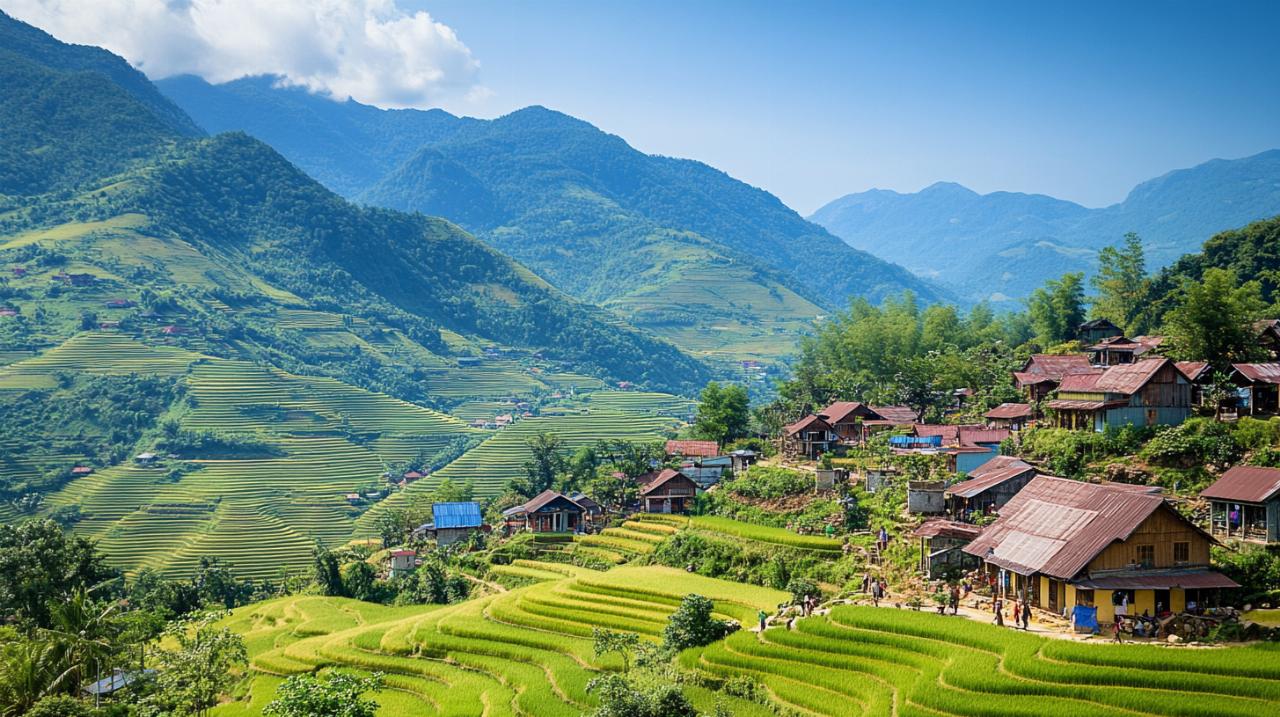
Authentic homestay experiences amongst terraced rice fields
Accommodation options in Ta Phin embrace the homestay model, allowing guests to lodge within family homes and participate directly in household activities. Ta Phin Lodge provides comfortable rooms at approximately 290,000 Vietnamese dong per person per night, whilst Stone Garden Homestay offers accommodation ranging from 225,000 to 500,000 dong per room nightly. For those seeking slightly more upmarket facilities, Sanh Homestay Ta Phin, which opened its doors in March 2022, provides rooms priced between 500,000 and 1,800,000 dong per night. These establishments typically include home-cooked meals featuring local cuisine, giving guests the chance to sample specialities such as black Banh Chung, a sticky rice cake with unique regional characteristics, bamboo-tube grilled pork prepared according to time-honoured methods, and stream fish caught from nearby waterways. Beyond mere accommodation, homestays facilitate genuine cultural exchange, with hosts often sharing stories, demonstrating traditional crafts, and explaining the significance of customs that might otherwise remain opaque to outsiders. The herbal baths for which the Red Dao are renowned typically cost between 80,000 and 100,000 dong, offering a rejuvenating conclusion to days spent trekking through mountain valleys.
Exploring Local Crafts and Daily Rhythms of the Dao People
Handicrafts represent both an economic lifeline and a cultural expression for Ta Phin's residents. Women particularly excel in textile production, creating intricate embroidery and woven fabrics that incorporate symbolic patterns and motifs. Observing artisans at work provides insight into skills honed over lifetimes, with techniques transmitted through apprenticeship rather than formal instruction. Visitors are often welcome to try their hand at basic weaving or dyeing processes, though mastery of these crafts requires years of dedicated practice. The agricultural calendar dictates much of village life, with planting, tending, and harvesting rice occupying different seasons. The water-flooding season between March and May transforms the terraced fields into mirrored surfaces reflecting sky and clouds, whilst September and October bring the golden hues of mature rice ready for harvest. Participating in farm activities, even briefly, offers authentic travel experiences that deepen understanding of the labour and knowledge required to sustain life in these challenging environments. Traditional ceremonies marking life transitions, seasonal changes, and spiritual observances occur throughout the year, with visitors fortunate enough to witness these events gaining rare glimpses into belief systems that predate modern religions.
Planning your ta phin adventure: practical travel guidance
Successful visits to Ta Phin require some advance planning, particularly regarding timing, transportation, and activity selection. The region's climate varies considerably with season and elevation, necessitating appropriate preparation. Understanding what different times of year offer helps visitors align their trips with personal interests, whether these centre on photography, cultural festivals, or particular landscape conditions.
Crafting the Perfect Itinerary with Local Tour Operators
Many travellers choose to engage tour operators who specialise in this region, benefiting from local knowledge and pre-arranged logistics. Asia Eyes Travel, with offices in both Vietnam and New Zealand, offers several programmes incorporating Ta Phin. Their Sapa Homestay Tour begins at ninety-five American dollars, whilst the Sapa Highlights package starts at one hundred and fifty dollars, and the Sapa Adventure with Bac Ha Market option commences at one hundred and sixty dollars. These organised tours typically include transportation, accommodation, meals, and guided activities, removing much of the uncertainty associated with independent travel in remote areas. For those preferring self-guided exploration, a suggested three-day itinerary might include a first day devoted to exploring Ta Phin village itself, walking amongst the rice fields, investigating Ta Phin Cave with its impressive stalactites and rock formations, and concluding with a therapeutic herbal bath. The second day could feature an excursion to Sun World Fansipan Legend, where cable cars and a mountain train provide access to spectacular viewpoints over the Muong Hoa valley and Hoang Lien Son mountains, culminating at the imposing 21.5-metre Amitabha Buddha statue. The final day allows time for purchasing handicrafts and souvenirs directly from artisans before departure. This structure balances cultural immersion with natural attractions whilst maintaining a manageable pace.
Essential Tips for Trekking Through Valleys and Visiting Nearby Attractions
Trekking represents one of the primary activities drawing visitors to Ta Phin, with routes covering approximately twelve kilometres and rated as moderately difficult. The journey from Sapa to the village takes between three and four hours on foot, traversing terrain that demands reasonable fitness and appropriate footwear. Mountain trekking in this region requires preparation for rapidly changing weather conditions, particularly during transition seasons when morning sunshine can give way to afternoon mist and rain. Layered clothing, waterproof outerwear, and sturdy walking shoes prove essential, whilst trekking poles assist navigation of steeper sections. Ta Phin Cave deserves particular mention among nearby attractions, its interior featuring geological formations accumulated over millennia. Visitors should wear decent footwear with good grip when exploring the cave, as surfaces can be slippery. An old monastery in the vicinity offers another point of interest, its weathered walls testament to earlier eras of habitation. Transportation options from Sapa to Ta Phin include hiring a car for the return journey at costs ranging from 400,000 to 900,000 dong, renting a motorbike to navigate the twelve kilometres of winding mountain road independently, or undertaking the trek itself as part of the experience. Respecting local customs remains paramount throughout any visit: dressing modestly, requesting permission before photographing individuals, and observing protocols around sacred spaces demonstrates cultural sensitivity that residents genuinely appreciate. The best times to visit align with either the rice harvest between September and October or the water-flooding season from March through May, each offering distinct visual and cultural experiences. Beyond Ta Phin, the broader region encompasses destinations worth considering for extended itineraries, including Ninh Binh to the south and connections to neighbouring countries such as Cambodia and Laos for those planning more extensive Southeast Asian travels. The Vietnamese highlands surrounding Sapa present countless opportunities for adventure tourism and eco-tourism initiatives that support local communities whilst preserving the scenic landscape and traditional ways of life that make places like Ta Phin so extraordinary.