
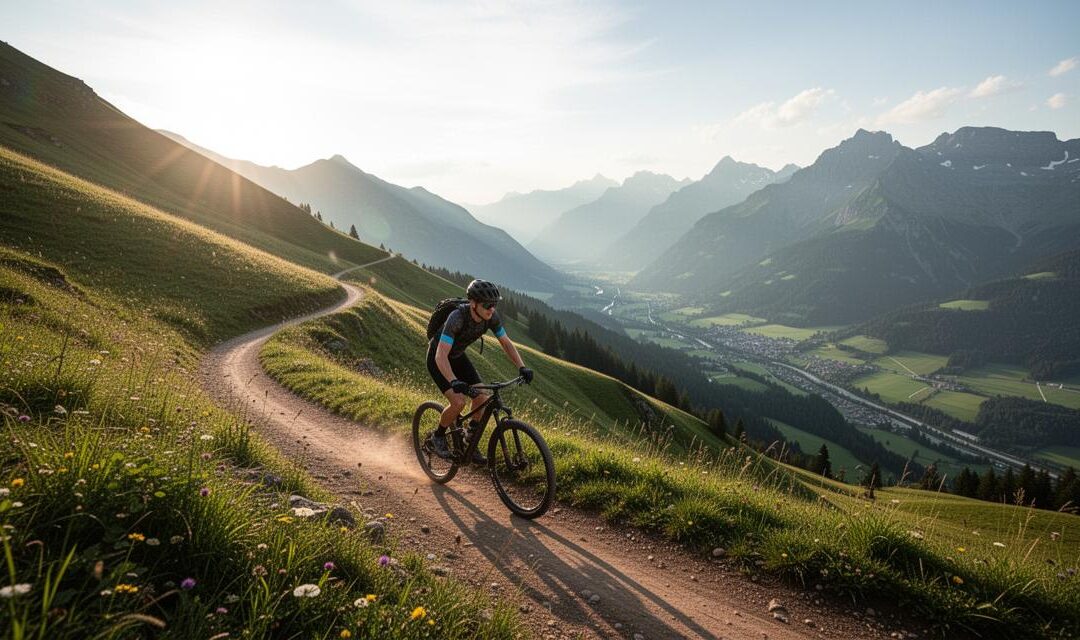
Mountain biking in the great outdoors is one of the most exhilarating ways to push your physical limits whilst immersing yourself in nature. Whether you are threading through dense woodland trails, tackling steep descents, or grinding along cross country routes, the sport demands a thoughtful blend of physical conditioning, technical skill, and smart preparation. Understanding how to improve mountain biking performance means looking at every aspect of your ride, from the strength in your legs to the gear on your bike.
At a glance
- Mountain biking performance relies on a combination of lower-body strength training, such as squats and lunges, and aerobic endurance built through consistent, steady-state rides.
- High-intensity interval training, combined with heart rate tracking via GPS computers, helps riders sustain power output and monitor physical progress accurately.
- Mastering technical trail skills like cornering and descent control requires deliberate practice of weight distribution, braking modulation, and proper body positioning.
- Adjusting your riding stance dynamically according to the terrain (shifting weight forward for climbs or maintaining an upright position for cross-country) is essential for efficiency and traction.
- Proper nutrition, particularly the intake of complex carbohydrates before rides and consistent fueling during activity, is critical for maintaining sustained power output.
- Effective recovery through adequate sleep, stretching, and mobility work is necessary for muscle repair and long-term performance improvement.
- Mental preparation techniques like visualization and mindfulness are as trainable as physical skills and are vital for maintaining focus on technical trail sections.
Optimise your physical conditioning and training plan
Target muscle strength and aerobic endurance
At the heart of any serious training plan lies the development of both muscular strength and aerobic endurance. Mountain biking places considerable demands on the lower limbs, engaging the quadriceps, hamstrings, calves, and glutes with every pedal stroke. To build lasting power and resilience, riders benefit greatly from targeted strengthening exercises off the bike, such as squats, lunges, and single-leg press movements that mimic the pedalling motion. These sessions of repetitions build a solid foundation, allowing you to sustain effort across long and demanding trails.
Aerobic capacity is equally essential for endurance performance. Steady-state rides at a moderate intensity help develop the maximal aerobic base needed to sustain prolonged activity, particularly during enduro or multi-hour cross country events. Incorporating longer rides into your weekly plan, at least two or three times per week, gradually conditions the cardiovascular system and improves overall stamina on the bike.
Incorporate high intensity intervals and heart rate tracking
Beyond steady endurance work, high intensity interval training plays a vital role in improving performance on the trails. Short, explosive periods of maximal effort followed by recovery phases train the body to recover quickly and maintain power output even when fatigue sets in. These intervals can be performed both on the bike and in the gym, and they are particularly effective for riders preparing for race conditions or technical enduro stages.
Tracking your heart rate during sessions provides invaluable feedback, helping you stay within the right intensity zones and avoid overtraining. A GPS bike computer is a practical tool for this purpose, as it simultaneously helps you navigate trails and monitor performance metrics such as speed, elevation gain, and cadence. Combining heart rate data with route information gives a comprehensive picture of your progress over time and allows you to fine-tune your training plan with precision.
Refine Technical Skills and Riding Position on the Trails
Master cornering techniques and smooth descent control
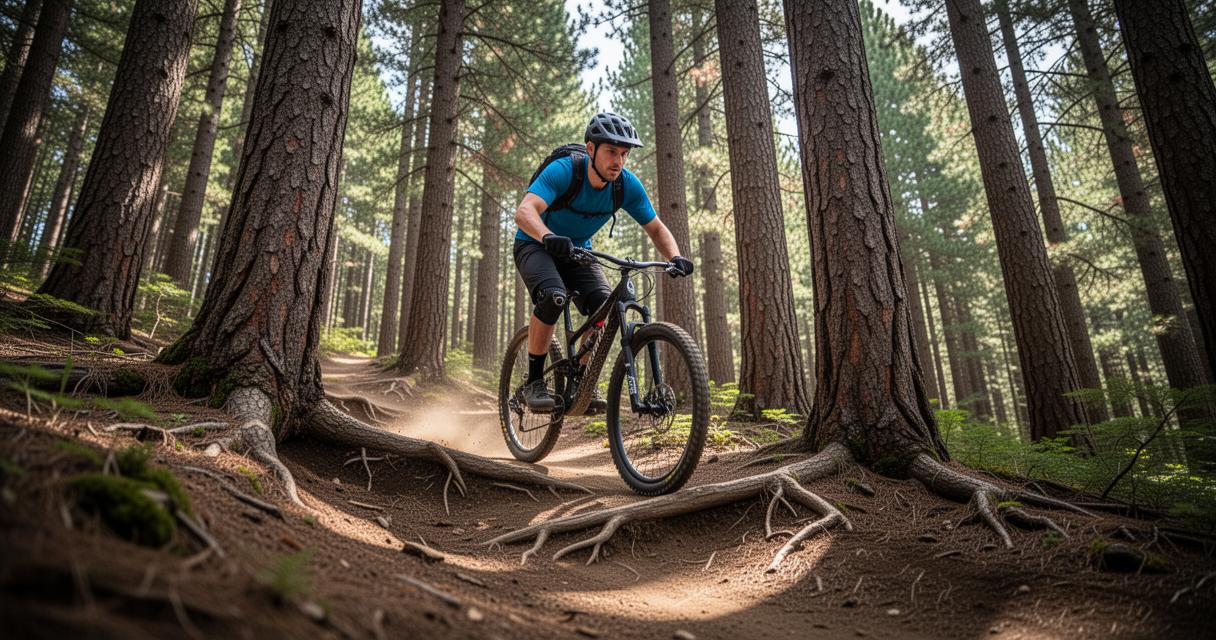
Physical fitness alone will not turn a good rider into a great one. Technical skill is what separates those who merely survive a trail from those who flow through it with confidence and control. Cornering is one of the most important techniques to practise, requiring the correct combination of body lean, weight distribution, and brake modulation. Looking ahead through the turn, dropping the outside pedal, and committing to the line are habits that come with deliberate, repeated practice on varied terrain.
Descent control is equally critical, particularly on steep or loose ground. Shifting your weight back and low, maintaining a relaxed grip, and feathering the brakes rather than squeezing them hard all contribute to smoother, safer descents. Regular practice on progressively more challenging slopes builds muscle memory and the mental confidence needed to tackle technical terrain without hesitation.
Adjust your stance for varied cross country terrain
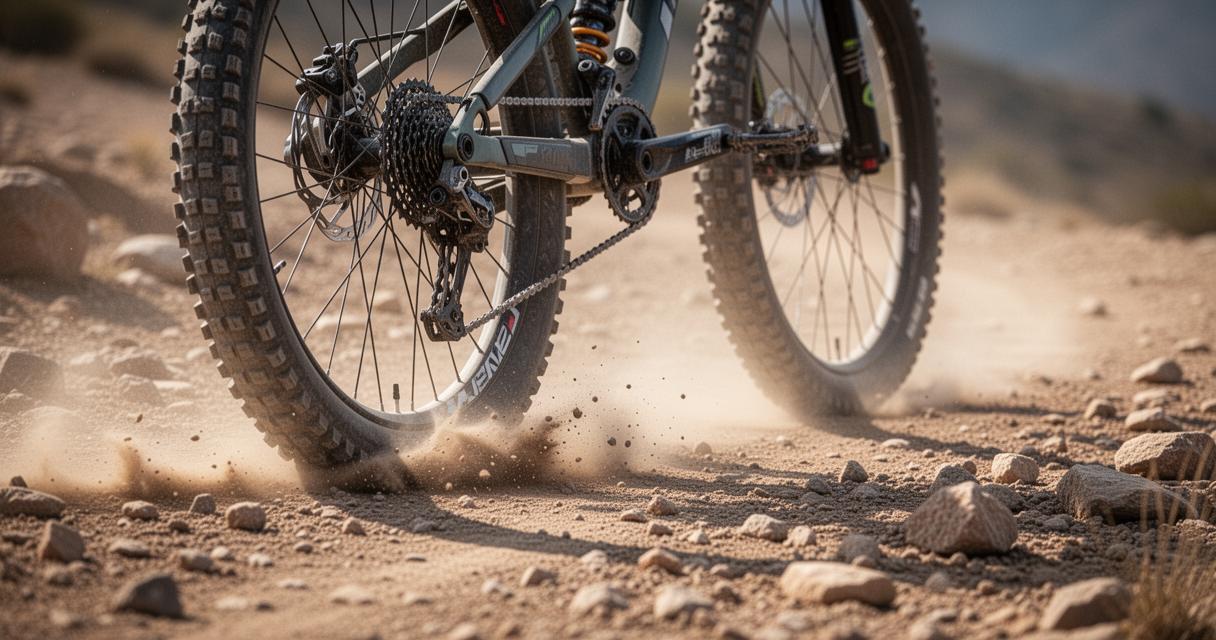
Riding position has a profound impact on both comfort and performance across different terrain types. On flat or rolling cross country trails, a more upright and efficient position helps preserve energy over long distances. On technical climbs, shifting your weight forward keeps the front wheel grounded and maintains traction. Safety gear such as lightweight knee and elbow pads and gloves with reinforced palms allow you to ride with confidence without restricting your range of movement, which is essential when adjusting your stance dynamically.
Visibility on the trail is another important consideration. LED bike lights with multiple brightness settings and reflective elements on your gear help ensure you remain visible to other trail users during dawn, dusk, or overcast conditions. Being seen is as important as seeing clearly when riding in the great outdoors.
Priorise fuel, recovery and mental preparation
Focus on Carbohydrate Rich Foods for Sustained Power
Nutrition is one of the most overlooked aspects of mountain biking improvement. Foods rich in carbohydrates form the primary fuel source for sustained aerobic and high-intensity activity, and neglecting them during training or racing can lead to a rapid drop in power output. Before a long ride, a meal centred on complex carbohydrates such as oats, wholegrain bread, or rice provides slow-releasing energy to support your effort throughout the session.
During longer rides, maintaining energy levels requires consistent fuelling on the go. A frame-mounted snack bag is a practical solution for keeping quick energy boosts within easy reach, while a hydration pack allows for hands-free drinking without interrupting your flow on the trail. Staying well hydrated is crucial for both physical performance and mental sharpness, particularly during warm weather or sustained climbs.

Implement effective post ride recovery and stress reduction
Recovery is where genuine improvement happens. After a demanding session on the trails, the body needs adequate time and the right conditions to rebuild stronger muscles and replenish energy stores. Prioritising sleep, stretching, and light movement on rest days all contribute to faster recovery and reduced injury risk. Foam rolling and mobility work targeting the lower limbs are particularly beneficial for mountain bikers, helping to release tension accumulated during intense riding.
Mental preparation is an often underestimated component of performance improvement. Stress reduction techniques such as controlled breathing, visualisation, and mindfulness help riders maintain focus and composure on technically challenging sections of trail. The mental side of mountain biking, including the confidence to commit to a line or push through fatigue, is as trainable as any physical quality. Over time, a consistent and well-rounded approach to training, technique, nutrition, and recovery will yield clear and measurable progress both on and off the bike.